In the ever-evolving landscape of networking technology, adaptability is key. Network administrators and engineers are constantly seeking ways to optimize their infrastructure without incurring excessive costs. One question that often arises in this quest for flexibility is: “Can you use an SFP in a QSFP port?” This seemingly simple query opens up a realm of possibilities for enhancing network performance and efficiency.
Understanding SFP and QSFP Modules
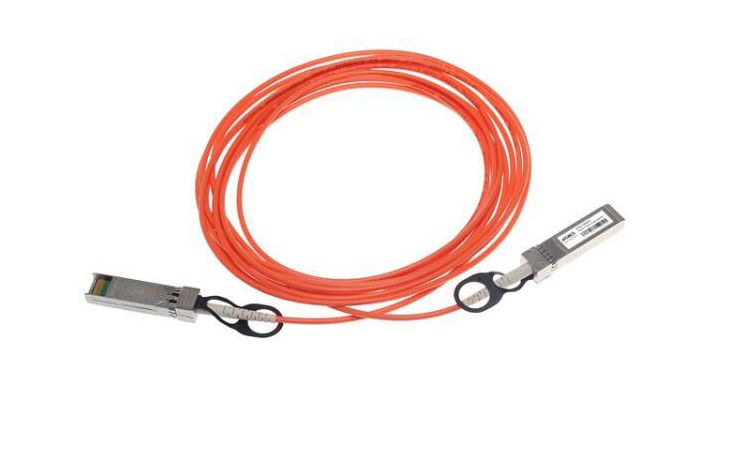
Before diving into compatibility, it’s crucial to understand what SFP and QSFP modules are and their roles in networking. SFP (Small Form-factor Pluggable) modules are compact, hot-swappable transceivers used for both telecommunication and data communications applications. They support a wide range of data rates and are compatible with various media types, including copper and fiber optics. SFP modules are widely used for their versatility and ease of deployment.
On the other hand, QSFP (Quad Small Form-factor Pluggable) modules are designed for higher data rates and higher density applications. As the name suggests, QSFP modules typically provide four channels of data in a single module, making them ideal for high-performance computing and data center environments. They are often used for 40G and 100G Ethernet applications, offering significant advantages in terms of bandwidth and port density.
The Compatibility Question
The question of whether an SFP can be used in a QSFP port hinges on the concept of port compatibility. In theory, SFP and QSFP modules are designed for different purposes and data rates. However, technological advancements and innovative design have led to solutions that enable greater flexibility in network infrastructure.
One such solution is the use of QSFP to SFP adapters. These adapters allow network administrators to insert an SFP module into a QSFP port, thereby leveraging the benefits of both technologies. The adapter essentially acts as a bridge, translating the QSFP port’s signals to be compatible with the SFP module. This opens up a range of possibilities for network optimization and cost savings.
Advantages of Using SFP in QSFP Ports
- Cost Efficiency: One of the most compelling reasons to use an SFP in a QSFP port is cost efficiency. QSFP modules, particularly those for higher data rates, can be significantly more expensive than their SFP counterparts. By utilizing QSFP to SFP adapters, organizations can take advantage of the more affordable SFP modules, reducing overall infrastructure costs without compromising performance.
- Scalability and Flexibility: The ability to use SFP modules in QSFP ports provides unparalleled scalability and flexibility. Network administrators can easily adapt to changing network requirements without the need for extensive hardware upgrades. This is particularly valuable in dynamic environments where data demands can fluctuate.
- Simplified Inventory Management: Managing inventory can be a logistical challenge in large-scale network deployments. Using adapters to integrate SFP modules into QSFP ports streamlines inventory management by reducing the number of different transceivers needed. This simplification can lead to more efficient operations and quicker response times to network issues.
- Enhanced Network Performance: While QSFP modules are designed for high-performance applications, there are scenarios where lower data rates are sufficient. In such cases, using an SFP module can provide the necessary performance without the additional cost and complexity of a QSFP module. This approach ensures that network resources are utilized optimally, enhancing overall network performance.
Conclusion
The question, “Can you use an SFP in a QSFP port?” highlights the innovative solutions available to network administrators seeking flexibility and cost-efficiency. By leveraging QSFP to SFP adapters, organizations can unlock new levels of adaptability in their network infrastructure. This approach not only reduces costs but also enhances scalability, simplifies inventory management, and optimizes network performance.
In the next part, we will delve deeper into the practical considerations and potential challenges associated with using SFP modules in QSFP ports. We will also explore real-world scenarios where this approach has proven beneficial, providing valuable insights for network professionals.
As we continue our exploration into the use of SFP modules in QSFP ports, it’s essential to address the practical considerations and potential challenges associated with this innovative approach. While the advantages are significant, understanding the nuances of implementation can ensure a smooth transition and optimal performance.
Practical Considerations
- Adapter Quality and Compatibility: Not all adapters are created equal. The quality of the QSFP to SFP adapter is paramount to ensure reliable performance and compatibility. It’s crucial to select adapters from reputable manufacturers and verify that they are compatible with both the QSFP port and the SFP module being used. Poor-quality adapters can lead to signal degradation, data loss, or even hardware damage.
- Power Consumption: QSFP modules typically have higher power consumption compared to SFP modules. When using an SFP in a QSFP port via an adapter, it’s important to ensure that the power requirements are adequately met. Insufficient power can result in unstable performance or connectivity issues. Network administrators should consult the specifications of both the SFP module and the QSFP port to ensure compatibility.
- Firmware and Software Compatibility: Network devices often require firmware and software updates to support new hardware configurations. Before deploying QSFP to SFP adapters, it’s essential to verify that the network equipment’s firmware and software are up to date and support the use of such adapters. This can prevent potential compatibility issues and ensure seamless integration.
Real-World Scenarios
- Data Center Optimization: In a data center environment, flexibility and scalability are crucial. A data center might have a mix of legacy systems using SFP modules and newer systems requiring QSFP modules. By using QSFP to SFP adapters, data center operators can integrate older equipment into the new infrastructure without extensive upgrades. This approach maximizes the lifespan of existing hardware while accommodating growth and technological advancements.
- Telecommunications Networks: Telecommunications providers often face fluctuating demands for bandwidth. During periods of lower demand, using SFP modules in QSFP ports can optimize resource allocation and reduce operational costs. For instance, in rural or less densely populated areas, the need for high-capacity links may be lower. Deploying SFP modules via adapters provides the necessary connectivity without the expense of higher-capacity QSFP modules.
- Campus Networks: Universities and large corporate campuses typically have diverse networking needs across different departments and buildings. Implementing QSFP to SFP adapters allows for a more versatile and adaptable network architecture. IT departments can respond to varying bandwidth requirements by using the appropriate transceivers, ensuring efficient use of resources and maintaining a robust network infrastructure.
Challenges and Mitigations
- Signal Integrity: One of the challenges of using adapters is maintaining signal integrity. Adapters introduce an additional connection point, which can potentially lead to signal degradation. To mitigate this, it’s important to use high-quality adapters and ensure that all connections are secure. Regular monitoring and testing can help identify and address any signal issues promptly.
- Thermal Management: QSFP ports are designed to dissipate the heat generated by QSFP modules. When using an SFP module via an adapter, the thermal characteristics may differ. Ensuring adequate cooling and ventilation is critical to prevent overheating and ensure stable operation. Network administrators should consider the thermal design of their equipment and make any necessary adjustments.
- Network Planning and Design: Incorporating QSFP to SFP adapters requires careful planning and design. Network administrators need to consider the overall architecture and how the adapters fit into the broader network strategy. This includes evaluating the impact on network performance, redundancy, and future scalability. A well-thought-out plan can prevent potential pitfalls and ensure a seamless integration.
Conclusion
The ability to use an SFP in a QSFP port through the use of adapters presents a compelling option for network administrators seeking flexibility, cost efficiency, and scalability. While there are practical considerations and potential challenges, the benefits often outweigh the drawbacks. By carefully selecting high-quality adapters, ensuring power and signal integrity, and updating firmware and software, organizations can effectively leverage this approach to optimize their network infrastructure.
In real-world scenarios, from data centers to telecommunications networks and campus environments, the adaptability provided by QSFP to SFP adapters proves invaluable. As networking technology continues to evolve, such innovative solutions will play a crucial role in enabling organizations to stay ahead of the curve, maximizing the potential of their network resources.
Embracing the flexibility of using SFP modules in QSFP ports not only reduces costs but also enhances the agility and performance of modern network infrastructures. By understanding the intricacies and planning meticulously, network professionals can harness this capability to its fullest, driving efficiency and innovation in their operations.