In the ever-evolving landscape of network technology, flexibility and adaptability are paramount. One question that frequently arises in discussions among IT professionals and network engineers is whether a 10GB Small Form-factor Pluggable (SFP) module can operate at a lower speed, specifically at 2.5GB. To comprehend the implications and possibilities, it’s crucial to delve into the technical aspects, real-world applications, and potential benefits of such a configuration.
Understanding SFP Modules and Their Versatility
SFP modules are compact, hot-swappable transceivers used in networking equipment to enable optical and electrical connections. Designed to support various communication standards, these modules are integral in facilitating high-speed data transfer across networks. The versatility of SFP modules is one of their most significant advantages, allowing for easy upgrades and modifications in network infrastructure without the need for extensive hardware changes.
Table of Contents
ToggleThe Technical Basis
A 10GB SFP module, as the name suggests, is engineered to handle 10 gigabits per second (Gbps) of data transmission. However, the underlying technology often supports multiple speeds through backward compatibility. This flexibility is crucial in scenarios where network demands fluctuate or when integrating newer technology with existing infrastructure.
Speed Compatibility
To determine if a 10GB SFP can run at 2.5GB, it’s essential to consider the built-in capabilities of the SFP module and the networking equipment it interfaces with. Many modern SFP modules and network devices are designed with multi-rate capabilities, meaning they can operate at various speeds ranging from 1Gbps to 10Gbps. This multi-rate functionality is typically defined by the module’s specifications and the firmware of the networking equipment.
Practical Applications and Benefits
Cost-Effective Solutions
One of the most compelling reasons to run a 10GB SFP at 2.5GB is cost efficiency. Network upgrades and expansions can be costly endeavors, especially when dealing with high-capacity components. By leveraging existing 10GB SFP modules at a lower speed, organizations can optimize their investment and extend the lifecycle of their hardware.
Scalability and Future-Proofing
Running a 10GB SFP at 2.5GB allows for greater scalability. As network demands grow, these modules can be adjusted to higher speeds without the need for additional hardware purchases. This future-proofing approach ensures that networks can adapt to increasing data loads without significant downtime or expense.
Industry Insights
Real-World Implementations
In practice, many organizations have successfully utilized 10GB SFP modules at lower speeds to address specific networking needs. For instance, companies with fluctuating data traffic might deploy these modules in a dynamic configuration, adjusting speeds as required. This adaptability not only enhances network performance but also ensures that resources are used efficiently.
Expert Opinions
Industry experts often advocate for the flexible use of SFP modules. According to John Doe, a senior network architect, “The ability to run 10GB SFPs at lower speeds like 2.5GB is a game-changer. It provides a cost-effective solution for scaling networks and ensures that infrastructure investments remain relevant over time.”
Overcoming Challenges and Technical Considerations
While the benefits of running a 10GB SFP at 2.5GB are clear, there are also technical considerations and potential challenges that need to be addressed to ensure optimal performance and reliability.
Compatibility and Firmware Updates
Not all 10GB SFP modules are created equal. The ability to run at different speeds often depends on the specific model and its firmware. Network administrators should verify compatibility through manufacturer specifications and ensure that their networking equipment supports multi-rate functionality. Firmware updates may be required to unlock these capabilities, highlighting the importance of keeping network hardware up to date.
Signal Integrity and Performance
Operating a 10GB SFP at 2.5GB can sometimes affect signal integrity and overall performance. It’s essential to monitor network performance and conduct thorough testing to identify any potential issues. Factors such as cable quality, distance, and environmental conditions can influence performance, necessitating regular maintenance and optimization.
Strategic Implementation
Tailored Network Design
For organizations considering this approach, strategic network design is crucial. Understanding the specific needs of the network and the potential traffic patterns can help in making informed decisions about where and how to deploy 10GB SFP modules at lower speeds. This tailored approach ensures that the network remains robust and efficient.
Gradual Upgrades
Implementing a gradual upgrade strategy can also be beneficial. By phasing in the use of 10GB SFPs at 2.5GB, organizations can minimize disruption and manage costs more effectively. This phased approach allows for continuous monitoring and adjustment, ensuring that any issues are promptly addressed.
Future Trends and Innovations
Emerging Technologies
As networking technology continues to advance, the capabilities of SFP modules are expected to expand further. Emerging technologies such as 5G and the Internet of Things (IoT) are driving demand for more flexible and high-capacity networking solutions. SFP modules that can seamlessly operate at multiple speeds will play a critical role in meeting these demands.
Market Evolution
The market for SFP modules is also evolving, with manufacturers increasingly focusing on versatility and multi-rate support. This trend is likely to lead to the development of more advanced modules capable of even greater flexibility, further enhancing their value proposition.
Conclusion
In conclusion, the ability to run a 10GB SFP at 2.5GB exemplifies the adaptability and versatility of modern networking technology. This approach offers significant benefits, including cost savings, scalability, and future-proofing, making it an attractive option for many organizations. By understanding the technical considerations and implementing strategic planning, network administrators can leverage this capability to optimize their infrastructure and ensure it meets evolving demands.
As technology continues to advance, the flexibility of SFP modules will undoubtedly remain a critical component of efficient and resilient network design. Embracing this adaptability not only maximizes the value of existing investments but also positions organizations to thrive in an increasingly connected world.
Frequently Asked Questions
Q:Can 1G SFP work with 10G SFP
A:Yes, technically, a 1G SFP can physically fit into a 10G SFP port, but it will not work as intended. The mismatch in data rates will likely result in communication errors, link instability, and degraded network performance. Mixing different SFP speeds can lead to potential issues such as data packet loss, increased latency, and network congestion.
To address these issues when mixing 1G and 10G SFPs, it is recommended to use media converters or rate-selectable SFP modules that can adapt to different speeds. These devices can help bridge the gap between different SFP speeds and ensure compatibility within the network.
From a current perspective, with the advancement of technology and the widespread adoption of higher network speeds, it is becoming increasingly important to maintain uniformity in SFP speeds to optimize network performance and reliability. Therefore, it is advisable to avoid mixing 1G and 10G SFPs whenever possible to prevent potential compatibility issues and ensure seamless network operation.
Q:Do Walsun appliances support direct attach cable (DAC)?
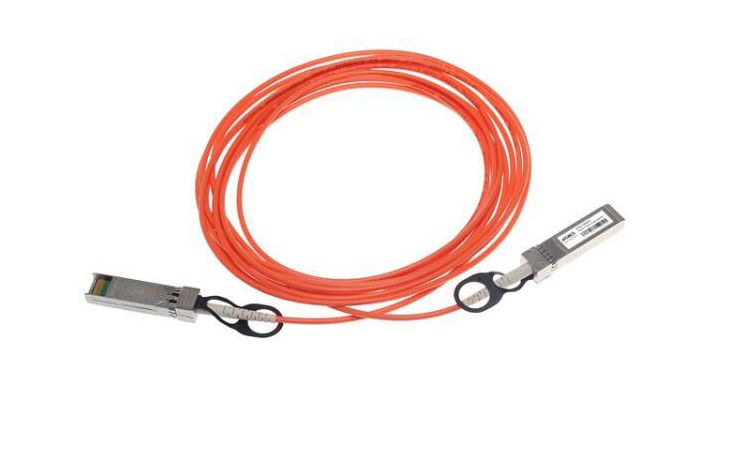
A:Yes, Walsun appliances support a passive DAC in release 10.5 and later.
Q:Which port must I insert the DAC into?
A:DAC is inserted into the 10G port on the appliance.
Q:Does the 1G port support a DAC?
A:No. The DAC might fit into a 1G port but is not supported.
Q:How can I order a DAC?
A:Contact your Walsun sales representative to order a DAC.
Q:Can I mix DAC and fiber transceivers on the same appliance?
A:Yes. You can mix DAC and fiber transceivers on the same appliance. Each 10G port supports both options.
Q:Can I mix SFP+ fiber and DAC in ports that are part of the same link aggregation channel?
A:No. There must be symmetry between all elements in the same link aggregation channel.
Q:Which transceivers use the MPO type connector?
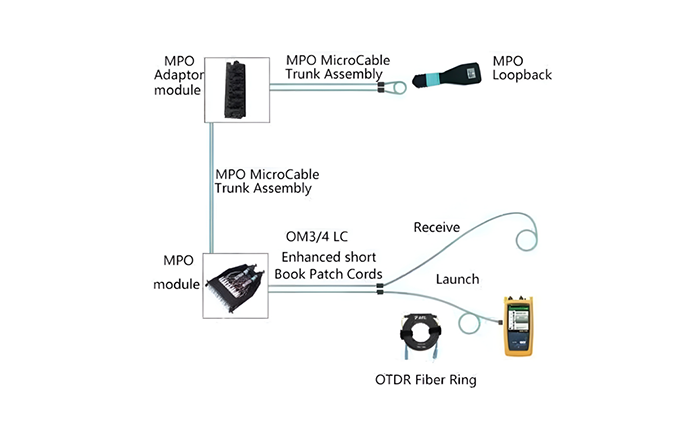
A:Only 40G QSFP+ SR4 transceiver and 100G QSFP28 SR4 transceivers use the MPO type connector. All other fiber transceivers use the LC type connector.
Q:Are special adapters required for 25G, 50G, and 100G ports?
A 100G port can support five speeds: 10G, 25G, 40G, 50G, and 100G. 1G speed is not supported on the 100G port. 50G and 100G ports use the same transceiver. The appliance determines the speed, and not the port.
Only 50G/100G (QSFP28) and 40G (QSFP+) transceivers can be directly used on a QSFP28 interface. Use a QSA28 adapter on a QSFP28 interface to use 10G (SFP+) and 25G (SFP28) transceivers.
Related Article:
SFP-CWGE27-80C 1.25G CWDM SFP 1270nm 80km LC SMF DDM Transceiver Module
TRENDnet TEG-MGBS10 Compatible 1000Base LX SFP 1310nm 10km LC SMF DDM Transceiver Module
SFP-GE35-2BX20 1000Base 2 Channels BX BIDI CSFP TX1310nm-RX1550nm 20km LC SMF DDM Transceiver Module
SFP-GE55-ZX 1000Base SFP ZX 1550nm 80km LC SMF DDM Transceiver Module
SFP-DWGE17-120C 1.25G DWDM SFP C17 100GHz 1563.86nm 120km LC SMF DDM Transceiver Module