In the rapidly evolving landscape of optical communication, BiDi transceivers are emerging as game-changers. These compact, yet powerful devices are redefining how data is transmitted, providing solutions that are both efficient and cost-effective. But what exactly are BiDi transceivers, and how do they work? Let’s embark on a journey to uncover the magic behind these technological marvels.
Table of Contents
ToggleThe Basics of BiDi Transceivers
BiDi, short for bidirectional, transceivers are specialized optical modules designed for simultaneous transmission and reception of data over a single optical fiber. Traditional optical communication systems typically use two fibers: one for transmitting data and another for receiving it. BiDi transceivers, however, ingeniously consolidate these two functions into a single fiber, significantly reducing the complexity and cost of network infrastructure.
The Science Behind BiDi Transceivers
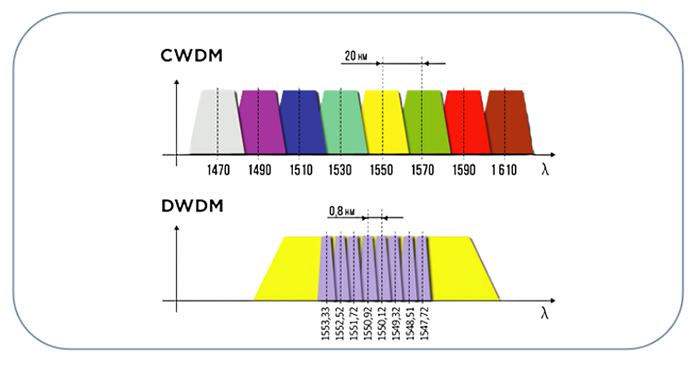
At the heart of BiDi transceivers lies the principle of wavelength division multiplexing (WDM). WDM is a technology that combines multiple optical signals, each at a different wavelength, into a single fiber. By leveraging WDM, BiDi transceivers can send and receive data streams simultaneously without interference.
A typical BiDi transceiver consists of two key components: a transmitter and a receiver. The transmitter uses a laser to encode data onto an optical signal at a specific wavelength, while the receiver is equipped with a photodiode to detect incoming signals at a different wavelength. This dual-wavelength approach allows for seamless bidirectional communication.
The Role of Wavelengths
In a BiDi transceiver setup, each transceiver at either end of the fiber operates on different wavelengths. For instance, one transceiver might transmit data at a wavelength of 1310 nm (nanometers) and receive at 1550 nm, while the transceiver at the opposite end does the reverse. This differentiation in wavelengths ensures that the signals do not collide, maintaining clear and efficient data transmission.
Advantages of BiDi Transceivers
BiDi transceivers offer several compelling advantages over their traditional counterparts:
- Cost Efficiency: By utilizing a single fiber for both transmission and reception, BiDi transceivers cut the cost of fiber cabling in half, which is a significant saving for large-scale network deployments.
- Simplified Infrastructure: Reducing the number of fibers needed simplifies the physical infrastructure of a network, making it easier to manage and maintain.
- Increased Bandwidth: The use of WDM technology allows BiDi transceivers to maximize the capacity of existing fiber infrastructure, enabling higher data rates without additional fiber installation.
- Enhanced Flexibility: BiDi transceivers can be easily integrated into various network environments, from data centers to metro networks, providing a versatile solution for diverse communication needs.
Real-World Applications
The practical applications of BiDi transceivers are vast and varied. They are particularly valuable in environments where space and cost constraints are critical factors. Data centers, for example, benefit immensely from the reduced cabling and streamlined infrastructure provided by BiDi transceivers. Similarly, metropolitan area networks (MANs) and access networks leverage these devices to deliver high-speed internet and communication services efficiently.
Having established a fundamental understanding of BiDi transceivers, let’s delve deeper into their operational intricacies, benefits, and future potential.
Operational Intricacies
BiDi transceivers are not just about leveraging different wavelengths; their design and functionality involve sophisticated engineering. The precise alignment of the laser and photodiode within the transceiver module is crucial to ensure accurate data transmission and reception. Moreover, advanced signal processing algorithms are employed to manage the separation and combination of wavelengths, minimizing signal loss and interference.
Integration with Modern Networks
The deployment of BiDi transceivers in modern network environments requires careful planning and integration. Network engineers must consider factors such as the compatibility of existing network equipment, the distance over which data needs to be transmitted, and the specific wavelength ranges used by the transceivers. Proper integration ensures optimal performance and maximizes the benefits of bidirectional communication.
Enhancing Data Center Efficiency
Data centers, the backbone of the digital economy, are prime beneficiaries of BiDi transceiver technology. With the exponential growth of data, there is a pressing need for efficient and scalable network solutions. BiDi transceivers address this need by reducing the cabling complexity and cost, allowing data centers to handle higher data loads without extensive infrastructure overhauls.
By minimizing the number of fibers required for connectivity, data centers can optimize their space utilization. This is particularly important in high-density environments where every inch of rack space counts. Additionally, the reduced cabling translates to lower power consumption and cooling requirements, further enhancing the operational efficiency of data centers.
Supporting Next-Generation Networks
As networks evolve towards higher speeds and greater capacities, BiDi transceivers are well-positioned to support these advancements. The shift towards 5G, for instance, demands robust and flexible backhaul solutions. BiDi transceivers provide the necessary bandwidth and reliability to support the high data rates and low latency required by 5G networks.
Similarly, the advent of the Internet of Things (IoT) is leading to an explosion of connected devices, all of which require efficient and scalable network infrastructure. BiDi transceivers, with their ability to maximize the use of existing fiber resources, are crucial in enabling the widespread deployment of IoT technologies.
Future Potential
The future of BiDi transceivers looks promising, with ongoing research and development aimed at enhancing their capabilities. Innovations in laser technology, for instance, are paving the way for even higher data rates and longer transmission distances. Additionally, advancements in photonic integration could lead to more compact and energy-efficient transceiver modules.
As the demand for bandwidth continues to grow, BiDi transceivers are likely to play an increasingly vital role in meeting this demand. Their ability to optimize fiber usage, reduce costs, and simplify network infrastructure makes them a key component in the evolution of optical communication.
Conclusion
BiDi transceivers represent a significant leap forward in optical communication technology. By enabling bidirectional data transmission over a single fiber, they offer a compelling solution to the challenges of modern networking. From reducing costs and simplifying infrastructure to supporting the next generation of high-speed networks, BiDi transceivers are set to transform the way we think about data communication. As we continue to push the boundaries of what’s possible, the magic of BiDi transceivers will undoubtedly remain at the forefront of this exciting journey.
In summary, the fascinating world of BiDi transceivers showcases the power of innovation in overcoming technical challenges and driving progress in optical communication. Whether in data centers, metropolitan networks, or future 5G and IoT deployments, these devices are poised to make a lasting impact on the digital landscape.