In the intricate world of networking, where data flows like the lifeblood of digital communication, the components that enable this flow are often taken for granted. One such component is the Small Form-factor Pluggable (SFP) connector, a compact, hot-swappable transceiver used for both telecommunications and data communications applications. But are all SFP connectors the same? This question opens a door to a nuanced understanding of these critical devices, revealing a spectrum of variations that can impact network performance and compatibility.
Table of Contents
ToggleWhat Are SFP Connectors?
SFP connectors, often referred to simply as SFPs, are used in networking equipment like switches, routers, and media converters to facilitate communication over fiber optic or copper cables. These transceivers convert electrical signals into optical signals and vice versa, allowing data to be transmitted over long distances at high speeds. The versatility of SFP modules makes them indispensable in both enterprise and data center environments.
Types of SFP Modules
At first glance, SFP connectors might seem standardized, but a closer look reveals a wide array of types tailored to specific needs. These include:
SFP (Standard): The basic form, supporting data rates up to 4.25 Gbps. They are suitable for a variety of applications, including both single-mode and multimode fiber connections.
SFP+: An enhanced version of the standard SFP, supporting data rates up to 10 Gbps. SFP+ modules are widely used in data centers and high-speed networking environments.
QSFP/QSFP+ (Quad Small Form-factor Pluggable): These are designed for higher data rates, supporting up to 40 Gbps (QSFP) and 100 Gbps (QSFP+). They are commonly used in applications where high bandwidth is crucial, such as in cloud computing infrastructures.
SFP28: Similar in form to SFP+, but supports 25 Gbps data rates, making it suitable for emerging 25G Ethernet networks.
CSFP (Compact SFP): A more recent innovation, allowing two full-duplex channels in a single SFP port, effectively doubling the port density in network devices.
Connector Variations
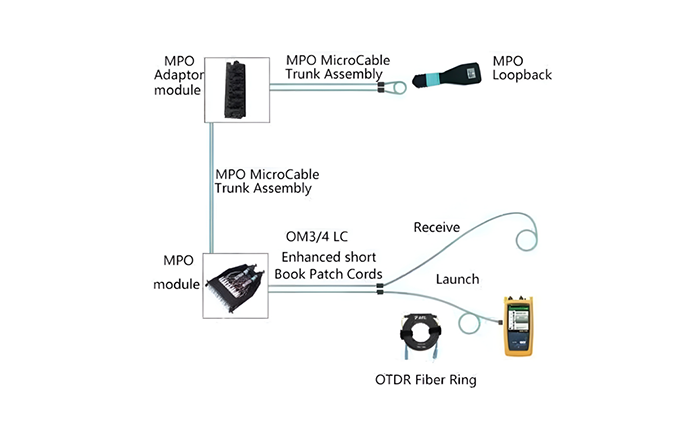
SFP modules also vary based on the type of connectors they use. For fiber optics, the most common are LC (Lucent Connector) for single-mode fibers and SC (Subscriber Connector) for multimode fibers. However, newer SFP modules might use different connectors like MPO or MTP, especially in high-density environments.
Why Does This Matter?
Understanding these variations is crucial because not all SFP modules are interchangeable. Factors like the type of cable (single-mode or multimode), the distance of data transmission, and the required data rate all influence the choice of SFP. Using an incompatible SFP module can lead to suboptimal performance or even damage to network equipment.
Moreover, the compatibility between SFP modules and network devices is not always guaranteed, especially when mixing different brands. Many manufacturers include proprietary firmware in their devices, which may restrict the use of third-party SFP modules, making it essential to verify compatibility before deployment.
Navigating Compatibility, Applications, and Future Trends in SFP Connectors
As the digital landscape evolves, so too does the technology behind SFP connectors. Understanding the nuances of these components not only ensures optimal network performance but also prepares us for future advancements.
Compatibility Concerns
The question of whether all SFP connectors are the same often leads to a discussion about compatibility. Not all SFP modules are cross-compatible with different brands of networking hardware. Some manufacturers use proprietary firmware, which can prevent third-party SFP modules from functioning correctly or at all. This can pose a challenge when expanding or upgrading a network, as it may necessitate the use of specific, and sometimes more expensive, modules.
To navigate these compatibility issues, it’s crucial to:
Check Device Specifications: Always verify the specifications of both the SFP modules and the network equipment to ensure compatibility. This includes confirming the supported types of SFPs, such as standard, SFP+, or QSFP.
Firmware Updates: Occasionally, network devices require firmware updates to support newer types of SFP modules or to improve compatibility with third-party modules.
Vendor Support: For enterprise environments, relying on vendor-supported SFP modules can prevent warranty issues and ensure technical support is available.
Applications of SFP Modules
SFP connectors are versatile and find applications in various networking scenarios. They are commonly used in:
Data Centers: SFP+ and QSFP modules are prevalent in data centers, supporting high-speed connectivity and efficient space utilization. They facilitate interconnections between servers, storage devices, and networking hardware.
Enterprise Networks: SFP modules help in connecting different network segments, including the transition between copper and fiber networks, making them integral to building scalable and flexible enterprise networks.
Telecommunications: In telecom infrastructure, SFPs are used in both long-haul and metro networks, supporting the extensive data transmission required by modern communication systems.
Future Trends and Innovations
The evolution of SFP technology is ongoing, driven by the increasing demand for higher data rates and more efficient network infrastructure. Some emerging trends include:
SFP-DD (Double Density): This new standard aims to double the density of SFP ports, providing higher data throughput and better use of space, especially in data centers.
Optical Technology Advancements: Advances in optical technology continue to improve the performance and capabilities of SFP modules, including increased data rates and longer transmission distances without the need for signal boosters.
Integration with SDN (Software-Defined Networking): As networks become more software-driven, the ability of SFP modules to integrate seamlessly with SDN frameworks will be critical, allowing for more dynamic and efficient network management.
Conclusion
In the diverse and complex world of SFP connectors, understanding the differences and compatibilities is crucial for building robust and efficient networks. While the market offers a wide range of options, not all SFPs are created equal. Factors such as data rate, distance, type of fiber, and compatibility with networking equipment all play essential roles in determining the right choice. As technology continues to advance, staying informed about the latest developments in SFP technology will ensure that your network infrastructure remains future-proof and capable of meeting the demands of tomorrow’s digital landscape.