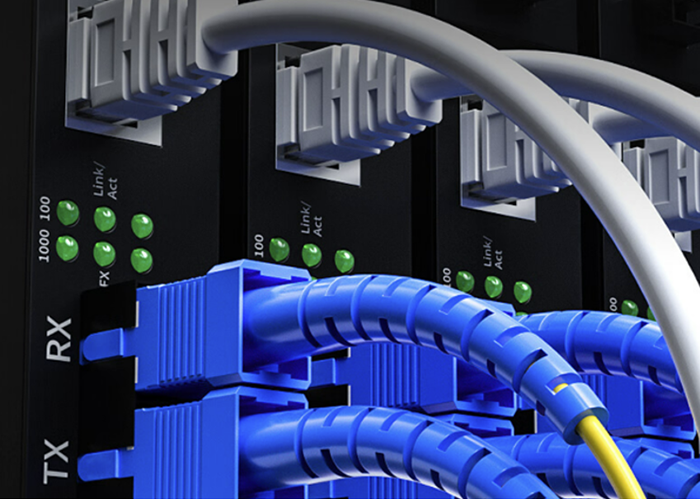
As an important component of optical communication systems, the quality of fiber optic jumpers’ connectors determines the transmission quality of the network. The function of the connector is to precisely connect the two separated fiber end faces, so that the optical energy output by the transmitting fiber can be coupled to the receiving fiber to the maximum extent. Optical fiberconnectors include LC, FC, SC, ST, MPO, etc. LC, SC, MPO interfaces are used in the Optical module.
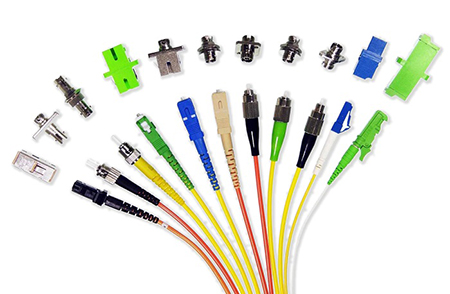
The indicators for judging the performance of fiber optic connectors include insertion loss, return loss, connection loss, and maximum number of pluggable times, among which the two most important parameters are insertion loss and return loss. Below, Walsun will introduce these performance indicators separately.
1.Insertion Loss
Insertion loss refers to the loss of effective optical power in the link caused by the introduction of a connector. The value of the reduction in optical signal power is expressed in dB decibels. When the insertion loss is 3dB, the optical power loss is approximately 50%, and when the insertion loss is 1dB, the power loss is approximately 20%. The smaller the insertion loss, the better. Generally, it should not exceed 0.5dB.
2.ReturnLoss,ReflectionLoss
Return loss, also known as reflection loss, refers to the connector’s ability to suppress the reflection of link optical power. The larger the value of return loss, the better. For example, when inputting 1mw power, 10% of it is reflected back, which is 10dB, and 0.003% is reflected back, resulting in an echo loss of about 45dB. The typical value of echo loss should not be less than 25dB. If the contact surface is specially polished, the echo loss can be greater, generally not less than 45dB.
3.Fiber connection loss
Fiber connection loss is an important performance indicator parameter in fiber optic communication systems, and the magnitude of the loss value directly affects the overall quality of the entire optical transmission system. Fiber optic connection losses include inherent losses, fusion losses, and movable joint losses. The higher the connection loss value, the better the quality of the connector.
4.Maximum number of pluggable times
Due to the frequent plugging and unplugging of fiber optic connectors, there is a problem of the maximum number of pluggable times. When there is no mechanical damage to each component and the additional loss does not exceed 0.2dB, the maximum plugging and unplugging times of fiber optic connectors can generally exceed 1000 times.
After reading this blog, we should know how to judge the quality of fiber opticconnectors. For more information, welcome to visit previous blogs of Walsun.
Related Article:
How to Use PoE Optical Fiber Transceivers in Remote Video Monitoring Systems
How to Select an Optical Module
What Are the Applications of 40G DAC Cables in Data Center ToR Cabling
How to Comprehensively Analyze the Application Scenarios of Optical Modules
What Is the Comprehensive Knowledge of Long-Distance Optical Modules