In the ever-evolving landscape of networking, understanding the capabilities and limitations of your hardware is crucial. This article delves into the compatibility of SFP-10G-LR transceivers with 1G networks, offering insights and practical advice for IT professionals and network engineers.
SFP-10G-LR, 1G support, networking compatibility, transceivers, network infrastructure, IT professionals, SFP modules
In the fast-paced world of network infrastructure, efficiency and versatility are key. Network engineers and IT professionals are constantly seeking ways to optimize their systems, ensuring seamless communication and data transfer. One common question that arises in this quest for optimization is whether SFP-10G-LR transceivers can support 1G networks. Understanding the nuances of this compatibility can lead to more flexible and cost-effective networking solutions.
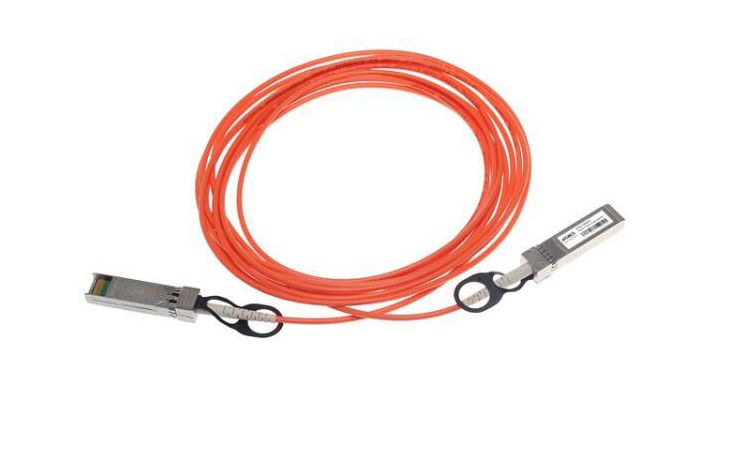
The SFP-10G-LR, a 10 Gigabit Small Form-Factor Pluggable (SFP+) transceiver, is renowned for its ability to handle long-range data transmission. Typically used for connections up to 10 kilometers over single-mode fiber (SMF), the SFP-10G-LR is a powerhouse in high-speed data environments. However, the question of its compatibility with 1 Gigabit (1G) networks is not as straightforward.
Theoretically, many SFP+ modules, including the SFP-10G-LR, are designed to be backward compatible with lower-speed SFP standards. This backward compatibility suggests that a 10G module could potentially operate at 1G speeds. However, the practical implementation of this capability varies across different manufacturers and network setups.
Several factors influence whether an SFP-10G-LR transceiver can function effectively in a 1G environment. Firstly, it’s essential to consult the manufacturer’s specifications and documentation. Some SFP-10G-LR modules explicitly state their ability to support 1G speeds, while others do not. This variance is due to the differences in how manufacturers design and test their products.
In instances where the manufacturer confirms 1G support, it’s crucial to ensure that the network switch or router is also compatible. Not all network devices are equipped to handle the downshifting from 10G to 1G speeds, which can lead to connectivity issues or suboptimal performance. Compatibility between the transceiver and the network hardware is paramount to achieving the desired outcomes.
Moreover, firmware plays a significant role in the compatibility equation. Network devices and transceivers often require firmware updates to enable new features or improve performance. Ensuring that both the SFP-10G-LR transceiver and the network equipment are running the latest firmware versions can enhance compatibility and functionality.
Practical experience from network professionals can also provide valuable insights. Many have successfully utilized SFP-10G-LR modules in 1G applications by following best practices and conducting thorough testing. These real-world examples highlight the importance of meticulous planning and testing in achieving optimal network performance.
To summarize, while the SFP-10G-LR transceiver has the potential to support 1G networks, its compatibility depends on multiple factors, including manufacturer specifications, network device compatibility, and firmware updates. Understanding these factors and conducting thorough testing can lead to successful implementation, offering a versatile and cost-effective solution for network infrastructure.
The potential to leverage SFP-10G-LR transceivers in 1G environments opens up a realm of possibilities for network engineers and IT professionals. This flexibility can lead to more efficient use of resources, cost savings, and streamlined network management. However, to harness these benefits, it is crucial to navigate the complexities of compatibility and performance.
One of the significant advantages of using SFP-10G-LR transceivers in a 1G network is the potential for future-proofing. As organizations grow and their data demands increase, the transition from 1G to 10G becomes inevitable. By investing in SFP-10G-LR modules that support both speeds, companies can future-proof their network infrastructure, avoiding the need for frequent hardware upgrades.
Another practical benefit is the simplification of inventory management. Maintaining a stock of versatile transceivers that can operate at both 1G and 10G speeds reduces the need for multiple types of inventory. This simplification can lead to reduced operational costs and more efficient network management.
To ensure successful implementation, it is advisable to follow a strategic approach:
- Conduct a Compatibility Assessment: Begin by assessing the compatibility of your existing network hardware with SFP-10G-LR transceivers. Check the manufacturer’s documentation for both the transceivers and the network devices to confirm 1G support.
- Update Firmware: Ensure that both the transceivers and the network devices are running the latest firmware versions. Firmware updates can resolve compatibility issues and enhance performance.
- Test in a Controlled Environment: Before deploying SFP-10G-LR transceivers in a live network, conduct thorough testing in a controlled environment. This step allows you to identify and resolve potential issues without impacting critical network operations.
- Monitor Performance: After deployment, continuously monitor the performance of the transceivers and the network. Monitoring tools can help detect anomalies and ensure that the network operates at optimal efficiency.
- Consult with Experts: Engage with network professionals and consult with the transceiver and network device manufacturers for guidance. Their expertise can provide valuable insights and help address any challenges that arise.
By following these steps, organizations can effectively leverage the versatility of SFP-10G-LR transceivers, ensuring seamless compatibility and optimal performance in 1G environments. This strategic approach not only enhances network efficiency but also maximizes the return on investment.
In conclusion, the compatibility of SFP-10G-LR transceivers with 1G networks offers a versatile and future-proof solution for network infrastructure. While there are challenges to navigate, including manufacturer specifications, network device compatibility, and firmware updates, the potential benefits are significant. By conducting thorough assessments, staying updated with firmware, testing rigorously, monitoring performance, and seeking expert advice, network engineers and IT professionals can successfully integrate SFP-10G-LR transceivers into their 1G networks, paving the way for a more flexible and cost-effective networking environment.