In the world of networking, where technology is continuously evolving, staying updated and making informed decisions is crucial. One question that frequently arises among IT professionals is whether a 10G SFP (Small Form-factor Pluggable) module can be used for a 1G network. This query is not just a matter of technical curiosity but also involves practical implications for network management and cost efficiency.
Understanding SFP Modules
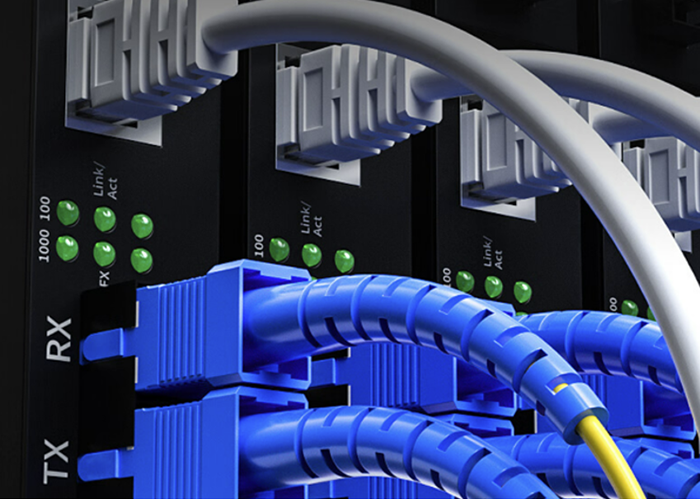
To comprehend the compatibility between 10G SFP and 1G networks, it’s essential to understand what SFP modules are and their role in networking. SFP modules are hot-pluggable transceivers used in network switches and routers to connect to fiber optic or copper cables. They enable network devices to communicate over various distances and speeds, offering flexibility and scalability in network design.
10G SFP vs. 1G SFP
The primary distinction between 10G SFP (often referred to as SFP+) and 1G SFP modules lies in their data transmission rates. A 10G SFP module is designed to support data rates up to 10 gigabits per second, while a 1G SFP module supports up to 1 gigabit per second. This fundamental difference in speed capabilities raises questions about their interoperability.
The Question of Compatibility
The crux of the matter is whether a higher-speed 10G SFP module can operate at the lower speed of 1G when inserted into a network switch or router that primarily handles 1G traffic. The answer to this question is multifaceted and depends on several factors, including the specifications of the network hardware and the type of SFP module being used.
Technical Considerations
Backward Compatibility:
Many modern network devices are designed with backward compatibility in mind. This means they can accommodate SFP modules operating at lower speeds than their maximum capacity. Therefore, a switch or router with a 10G port might accept a 10G SFP module and allow it to operate at 1G speeds. However, this is not a universal guarantee and varies by manufacturer and model.
Auto-Negotiation:
Auto-negotiation is a feature that enables devices to automatically select the best possible speed and duplex mode for communication. If both the switch and the 10G SFP module support auto-negotiation, they might successfully establish a 1G connection. This requires that the hardware and firmware are up-to-date and compatible with such operations.
Module Type:
Different types of 10G SFP modules (such as SFP+ SR, SFP+ LR, etc.) might have varying levels of compatibility with 1G speeds. It’s crucial to check the specifications of the specific module in question to ensure it supports 1G operation.
Real-World Scenarios
Case Study 1: Upgrading Networks
Imagine a scenario where an organization plans to upgrade its network infrastructure. They currently operate on a 1G network but anticipate future growth that will require 10G capabilities. Investing in 10G SFP modules, which can potentially operate at 1G speeds in the interim, might seem like a cost-effective strategy. This allows the organization to future-proof its investment without immediate, full-scale upgrades.
Case Study 2: Mixed Speed Environments
In environments where both 1G and 10G connections coexist, using 10G SFP modules that can step down to 1G speeds provides flexibility. Network administrators can manage and optimize network traffic without needing to stock and manage different types of SFP modules, simplifying inventory and maintenance processes.
Conclusion of Part 1
The possibility of using 10G SFP modules for 1G networks hinges on the specifics of the network hardware, the type of SFP module, and the presence of features like backward compatibility and auto-negotiation. While many modern devices support such flexibility, it is not a one-size-fits-all solution and requires careful consideration of the technical details and operational requirements.
Continuing from our exploration of the compatibility between 10G SFP modules and 1G networks, it’s essential to delve deeper into the practical and technical implications of such an arrangement. This part will focus on the benefits, potential drawbacks, and best practices to ensure smooth operation and optimal performance.
Benefits of Using 10G SFP for 1G
Future-Proofing Investments:
By investing in 10G SFP modules that can operate at 1G speeds, organizations can future-proof their network infrastructure. As network demands grow, the transition to higher speeds becomes seamless without the need to replace the entire hardware setup.
Simplified Inventory Management:
Using a single type of SFP module across different network speeds simplifies inventory management. Network administrators can stock 10G SFP modules and use them flexibly, reducing the complexity and cost of maintaining multiple types of transceivers.
Enhanced Network Flexibility:
The ability to deploy 10G SFP modules in 1G environments offers enhanced network flexibility. Administrators can dynamically allocate bandwidth and optimize network performance based on current needs and future requirements.
Potential Drawbacks
Compatibility Issues:
Despite the theoretical compatibility, practical issues can arise. Not all network switches and routers may support the use of 10G SFP modules at 1G speeds. Incompatible firmware or hardware can lead to connectivity problems or reduced performance.
Increased Costs:
While future-proofing is beneficial, 10G SFP modules are typically more expensive than their 1G counterparts. For organizations with tight budgets, this could represent a significant upfront investment, especially if the higher speeds are not immediately required.
Technical Complexity:
Implementing a mixed-speed environment adds a layer of technical complexity. Network administrators must be well-versed in the nuances of auto-negotiation, module compatibility, and potential troubleshooting scenarios.
Best Practices for Implementation
Vendor Consultation:
Before implementing 10G SFP modules in a 1G network, consult with the equipment vendors. They can provide detailed compatibility information and recommend specific modules that support dual-speed operation.
Firmware Updates:
Ensure that all network devices have the latest firmware updates. Manufacturers often release updates that enhance compatibility and performance, addressing potential issues with mixed-speed environments.
Thorough Testing:
Conduct thorough testing in a controlled environment before deploying 10G SFP modules in a live network. This helps identify any compatibility issues or performance bottlenecks, allowing for proactive resolution.
Documentation:
Maintain comprehensive documentation of the network configuration, including details of the SFP modules used, their capabilities, and any compatibility notes. This aids in troubleshooting and future upgrades.
Real-World Example: Data Centers
In data centers, the demand for higher bandwidth is a constant challenge. Data centers often operate with a mix of 1G, 10G, and even higher-speed connections. Using 10G SFP modules that can operate at 1G speeds provides the flexibility to adapt to changing requirements without frequent hardware changes. This approach streamlines operations, reduces downtime, and ensures that the infrastructure can scale efficiently as data demands increase.
Conclusion of Part 2
The use of 10G SFP modules in 1G networks is a viable strategy that offers several benefits, including future-proofing, simplified inventory management, and enhanced flexibility. However, it also presents challenges such as potential compatibility issues and increased costs. By following best practices, including vendor consultation, firmware updates, thorough testing, and meticulous documentation, organizations can successfully implement this approach and optimize their network infrastructure for both current and future needs.
In conclusion, while the question of using 10G SFP for 1G networks may seem straightforward, it involves a nuanced understanding of networking principles and practical considerations. By carefully evaluating the technical details and operational requirements, IT professionals can make informed decisions that balance performance, cost, and future scalability.
Related Article:
SFP-CWGE27-80C 1.25G CWDM SFP 1270nm 80km LC SMF DDM Transceiver Module
TRENDnet TEG-MGBS10 Compatible 1000Base LX SFP 1310nm 10km LC SMF DDM Transceiver Module
SFP-GE35-2BX20 1000Base 2 Channels BX BIDI CSFP TX1310nm-RX1550nm 20km LC SMF DDM Transceiver Module
SFP-GE55-ZX 1000Base SFP ZX 1550nm 80km LC SMF DDM Transceiver Module
SFP-DWGE17-120C 1.25G DWDM SFP C17 100GHz 1563.86nm 120km LC SMF DDM Transceiver Module