In the world of networking, SFP (Small Form-factor Pluggable) modules are vital components that facilitate data transmission over fiber optic or copper cables. These modules, often referred to as transceivers, are key to establishing reliable and efficient network connections. A common question among IT professionals and enthusiasts is whether SFP modules have to match. The answer, as with many technical queries, is nuanced and depends on several factors.
Understanding SFP Modules
SFP modules are hot-swappable devices, meaning they can be replaced or installed without shutting down the network. This flexibility is one of the many reasons they are widely used in networking hardware such as switches, routers, and media converters. They support a variety of network standards, including Ethernet, Fiber Channel, and SDH/SONET.
SFP modules are categorized based on several criteria, including:
Transmission Speed: Ranging from 100 Mbps to 100 Gbps.
Distance: Classified as short-range (SR), long-range (LR), extended-range (ER), etc.
Media Type: Fiber optic (single-mode or multi-mode) and copper.
Connector Type: LC, SC, RJ45, etc.
Given these variations, the question arises: do SFP modules have to match to ensure proper functionality and performance?
The Case for Matching SFP Modules
Matching SFP modules is crucial in several scenarios to maintain network stability and performance. The most critical aspect to match is the media type. For instance, if you’re using fiber optic cables, the SFP modules at both ends of the connection need to support the same type of fiber, either single-mode or multi-mode. Mixing these types can result in signal loss or complete failure of the connection.
Similarly, matching transmission speeds is essential. An SFP module that supports 10 Gbps on one end of a link will not communicate effectively with a module designed for 1 Gbps. The network hardware might auto-negotiate to the lower speed, but this is not guaranteed and can lead to suboptimal performance.
Another factor to consider is wavelength compatibility, particularly in fiber optic setups. Different SFP modules operate on different wavelengths, such as 850 nm for short-range and 1310 nm for long-range connections. Using mismatched wavelengths can cause serious signal issues, leading to degraded performance or no connection at all.
The Role of Standards and Compatibility
While exact matching isn’t always necessary, adhering to industry standards is crucial for ensuring interoperability between SFP modules from different manufacturers. The MSA (Multi-Source Agreement) is an industry-standard that defines the specifications for SFP modules. Modules that conform to these standards are generally interchangeable, even if they’re from different vendors.
However, it’s important to note that some network equipment manufacturers implement proprietary features in their SFP modules, which may require using modules from the same brand to access certain functionalities or ensure full compatibility. This practice, known as vendor lock-in, can be a significant consideration when planning or upgrading network infrastructure.
In summary, while SFP modules don’t always have to match in every aspect, matching key specifications such as media type, speed, and wavelength is critical for ensuring reliable and efficient network performance. Adhering to industry standards can also facilitate compatibility between different brands, though proprietary features may necessitate using specific modules.
Exploring Cross-Vendor Compatibility
The question of whether SFP modules have to match often extends to cross-vendor compatibility. This is particularly relevant in large-scale deployments where cost and availability of specific modules can vary widely. Fortunately, many SFP modules are designed to be cross-compatible, allowing network operators to mix and match modules from different manufacturers. However, this compatibility isn’t always guaranteed, and several factors must be considered.
Quality and Performance Considerations
When mixing SFP modules from different vendors, one must pay close attention to the quality and specifications of each module. Modules that do not adhere strictly to the MSA specifications can sometimes cause issues such as intermittent connectivity, reduced throughput, or even hardware damage. It’s advisable to use modules from reputable manufacturers and to verify their specifications and compatibility with the existing network hardware.
Testing plays a crucial role in ensuring compatibility and performance. Network administrators often conduct tests on non-critical segments of the network or use lab setups to verify that mixed SFP modules function correctly together. This testing phase helps in identifying potential issues that could disrupt network operations.
Vendor Lock-in and Proprietary Technologies
Vendor lock-in can complicate the situation. Some network equipment manufacturers design their hardware to work optimally only with their own branded SFP modules. This proprietary technology might offer enhanced features such as better diagnostics, security, or performance optimizations, but it can also limit flexibility. In cases where proprietary features are not essential, third-party SFP modules that meet MSA standards can be a cost-effective alternative.
It’s also worth considering the warranty and support implications when using third-party modules. Some manufacturers may void warranties or refuse support if non-original modules are used. Therefore, understanding the terms and conditions associated with network hardware warranties is crucial when deciding to use mixed SFP modules.
The Economics of SFP Modules
Cost is a significant factor in the decision-making process. OEM (Original Equipment Manufacturer) SFP modules are typically more expensive than third-party alternatives. However, the higher cost often comes with guarantees of quality, performance, and support. On the other hand, third-party SFP modules can provide substantial savings, especially in large-scale networks. The key is to balance cost savings with the potential risks and compatibility issues.
Additionally, some third-party vendors specialize in providing high-quality, compatible SFP modules at a fraction of the cost of OEM modules. These vendors often guarantee that their products meet or exceed MSA standards, offering a viable solution for budget-conscious organizations.
Conclusion: Balancing Compatibility and Performance
Ultimately, the need for matching SFP modules depends on several factors, including the type of network, specific application requirements, and budget constraints. While exact matching is crucial in some scenarios, cross-vendor compatibility offers flexibility and potential cost savings. Network administrators must weigh the pros and cons of using OEM versus third-party modules, considering factors such as compatibility, performance, warranty, and support.
As networking technologies continue to evolve, the landscape of SFP module compatibility is likely to expand, offering even more options and flexibility. Staying informed about the latest standards and best practices is key to making informed decisions that optimize network performance and cost-efficiency.
In conclusion, while SFP modules do not always have to match, careful consideration of compatibility factors and thorough testing can ensure a robust and efficient network infrastructure. Whether opting for OEM or third-party modules, the goal should always be to maintain a high level of performance and reliability.
Frequently Asked Questions
Q:Can 1G SFP work with 10G SFP
A:Yes, technically, a 1G SFP can physically fit into a 10G SFP port, but it will not work as intended. The mismatch in data rates will likely result in communication errors, link instability, and degraded network performance. Mixing different SFP speeds can lead to potential issues such as data packet loss, increased latency, and network congestion.
To address these issues when mixing 1G and 10G SFPs, it is recommended to use media converters or rate-selectable SFP modules that can adapt to different speeds. These devices can help bridge the gap between different SFP speeds and ensure compatibility within the network.
From a current perspective, with the advancement of technology and the widespread adoption of higher network speeds, it is becoming increasingly important to maintain uniformity in SFP speeds to optimize network performance and reliability. Therefore, it is advisable to avoid mixing 1G and 10G SFPs whenever possible to prevent potential compatibility issues and ensure seamless network operation.
Q:Do Walsun appliances support direct attach cable (DAC)?
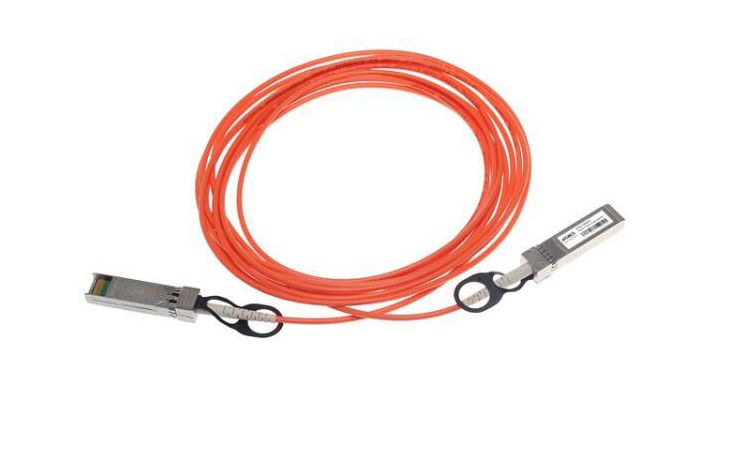
A:Yes, Walsun appliances support a passive DAC in release 10.5 and later.
Q:Which port must I insert the DAC into?
A:DAC is inserted into the 10G port on the appliance.
Q:Does the 1G port support a DAC?
A:No. The DAC might fit into a 1G port but is not supported.
Q:How can I order a DAC?
A:Contact your Walsun sales representative to order a DAC.
Q:Can I mix DAC and fiber transceivers on the same appliance?
A:Yes. You can mix DAC and fiber transceivers on the same appliance. Each 10G port supports both options.
Q:Can I mix SFP+ fiber and DAC in ports that are part of the same link aggregation channel?
A:No. There must be symmetry between all elements in the same link aggregation channel.
Q:Which transceivers use the MPO type connector?
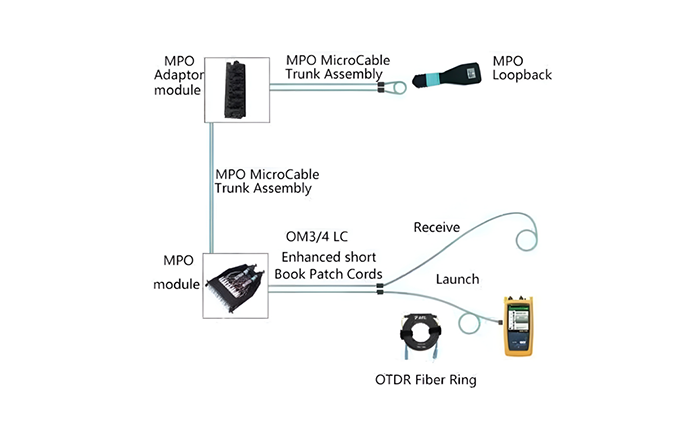
A:Only 40G QSFP+ SR4 transceiver and 100G QSFP28 SR4 transceivers use the MPO type connector. All other fiber transceivers use the LC type connector.
Q:Are special adapters required for 25G, 50G, and 100G ports?
A 100G port can support five speeds: 10G, 25G, 40G, 50G, and 100G. 1G speed is not supported on the 100G port. 50G and 100G ports use the same transceiver. The appliance determines the speed, and not the port.
Only 50G/100G (QSFP28) and 40G (QSFP+) transceivers can be directly used on a QSFP28 interface. Use a QSA28 adapter on a QSFP28 interface to use 10G (SFP+) and 25G (SFP28) transceivers.
Related Article:
SFP-CWGE27-80C 1.25G CWDM SFP 1270nm 80km LC SMF DDM Transceiver Module
TRENDnet TEG-MGBS10 Compatible 1000Base LX SFP 1310nm 10km LC SMF DDM Transceiver Module
SFP-GE35-2BX20 1000Base 2 Channels BX BIDI CSFP TX1310nm-RX1550nm 20km LC SMF DDM Transceiver Module
SFP-GE55-ZX 1000Base SFP ZX 1550nm 80km LC SMF DDM Transceiver Module
SFP-DWGE17-120C 1.25G DWDM SFP C17 100GHz 1563.86nm 120km LC SMF DDM Transceiver Module