In the world of fiber optic networking, the question of whether you can use single-mode fiber (SMF) with multimode SFP (Small Form-factor Pluggable) transceivers is a common one. This seemingly simple query opens a gateway to understanding the nuanced interplay between different fiber types and transceivers. To appreciate the compatibility and implications of using SMF with multimode SFPs, we must first grasp the foundational concepts of fiber optics and transceiver technology.
Table of Contents
ToggleFiber Optic Fundamentals
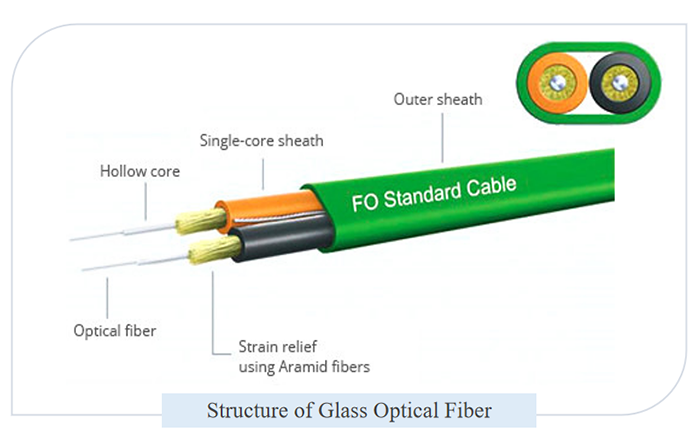
Fiber optic cables are the backbone of modern communication networks, transmitting data over long distances at high speeds. There are two primary types of fiber optic cables: single-mode and multimode.
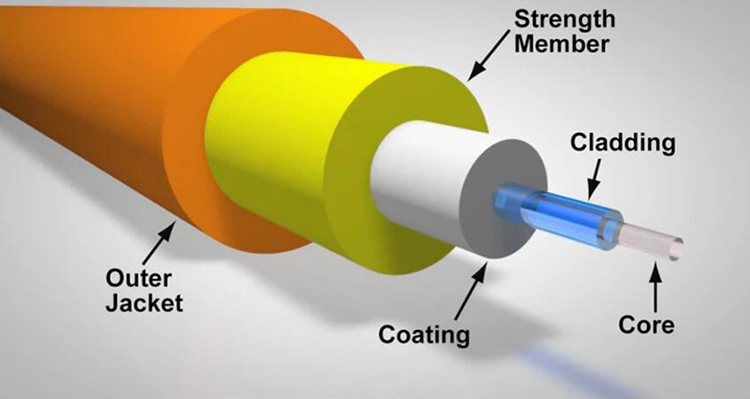
Single-mode fiber has a small core diameter, typically around 9 micrometers, and is designed to carry light directly down the fiber with minimal dispersion. This makes SMF ideal for long-distance communication, often spanning hundreds of kilometers without signal degradation.
Multimode fiber, on the other hand, has a larger core diameter, usually around 50 or 62.5 micrometers. This allows multiple light modes to propagate through the fiber, making it suitable for shorter distances, generally up to 550 meters for higher data rates. The greater core diameter results in higher dispersion and attenuation, limiting its effectiveness over long distances.
Transceiver Technology
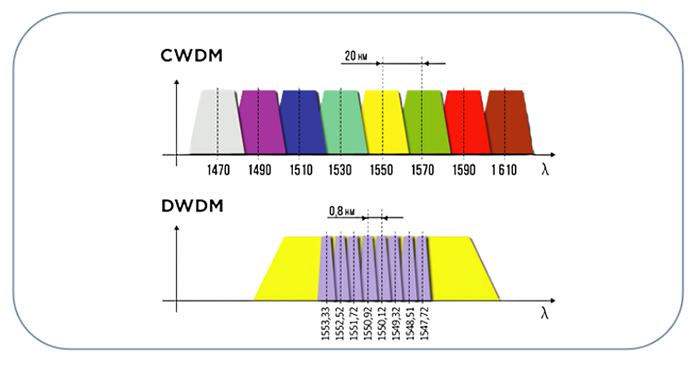
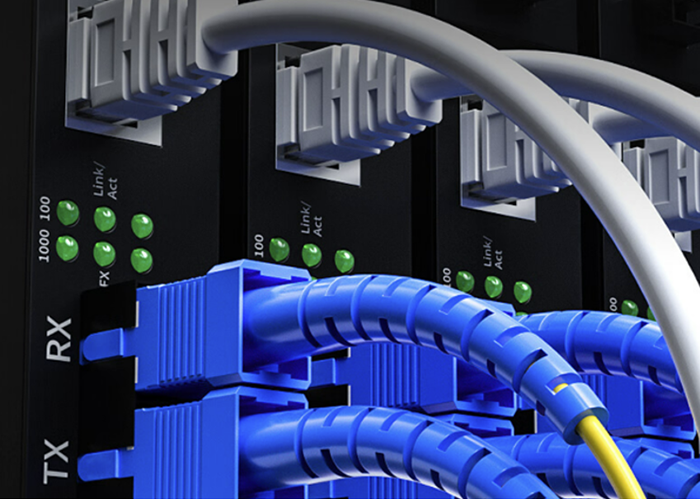
SFP transceivers are modular, hot-swappable devices used in network equipment to interface with fiber optic cables. They come in various types, including single-mode and multimode variants, each designed to work with their corresponding fiber types. Multimode SFPs operate at wavelengths of 850 nm, while single-mode SFPs typically use 1310 nm or 1550 nm wavelengths.
The primary concern when considering the use of SMF with a multimode SFP is the difference in optical characteristics. Multimode SFPs are optimized for the broader core and higher dispersion of multimode fiber, which can lead to issues when paired with the narrow core of SMF.
Compatibility Challenges
Using SMF with a multimode SFP is generally not recommended due to the mismatch in core sizes and modal dispersion characteristics. When a multimode SFP sends a signal optimized for a 50 or 62.5 micrometer core into a 9 micrometer SMF, several problems can arise:
- Insertion Loss: The significant difference in core sizes leads to a high insertion loss, as much of the light intended for a larger core is lost when it enters the smaller core of the SMF. This results in weaker signals and reduced transmission distance.
- Modal Dispersion: Multimode SFPs are designed to handle multiple light modes, which are not present in single-mode fibers. This can cause improper coupling and signal distortion, further reducing performance and reliability.
- Connector Mismatch: Connectors for single-mode and multimode fibers are often different. The physical connection between mismatched fibers and transceivers can lead to additional losses and mechanical issues.
Potential Solutions
Despite these challenges, there are scenarios where using SMF with multimode SFPs might be considered, often driven by specific constraints or limited resources. Here are a few approaches to mitigate compatibility issues:
Mode Conditioning Patch Cables: These specialized cables are designed to adapt single-mode fibers for use with multimode transceivers. They work by introducing a controlled amount of mode mixing, allowing the multimode SFP to operate more effectively with the single-mode fiber. However, this is a complex solution that might not always be feasible or cost-effective.
Careful Testing and Validation: In situations where using SMF with multimode SFPs is unavoidable, extensive testing and validation can help identify acceptable performance levels. This involves measuring insertion loss, signal integrity, and overall network performance under various conditions.
Upgrading to Compatible Hardware: The most straightforward and reliable solution is to use single-mode SFPs with single-mode fibers and multimode SFPs with multimode fibers. While this requires investment in compatible hardware, it ensures optimal performance and long-term reliability.
Conclusion
Understanding the technical intricacies of fiber optic networking is crucial for making informed decisions about your network infrastructure. While using single-mode fiber with multimode SFPs is fraught with challenges, careful consideration and the right tools can sometimes make it possible. In the end, prioritizing compatibility and investing in the appropriate hardware will yield the best results for your networking needs.
Now that we have a foundational understanding of the compatibility issues and potential solutions for using single-mode fiber with multimode SFPs, let’s delve deeper into the practical aspects and real-world implications of such a setup.
Real-World Scenarios
In many cases, network engineers and IT managers face real-world constraints that compel them to consider unconventional solutions. For instance, upgrading an entire network to match fiber types with corresponding transceivers can be prohibitively expensive and time-consuming. This section explores some practical scenarios where using SMF with multimode SFPs might be considered, along with the associated benefits and drawbacks.
Cost Considerations
One of the most compelling reasons to explore the compatibility of single-mode fiber with multimode SFPs is cost. Single-mode fiber, while ideal for long distances, is often more expensive than multimode fiber. However, in environments where existing infrastructure predominantly consists of SMF, purchasing multimode transceivers compatible with existing equipment might seem like a cost-saving measure.
Temporary Solutions
In some instances, using SMF with multimode SFPs might serve as a temporary solution during network upgrades or transitions. For example, an organization might plan to transition to a single-mode fiber network but still have legacy equipment with multimode SFPs. In such cases, using mode conditioning patch cables or conducting rigorous performance testing can provide a temporary bridge, ensuring continuity of operations until the full upgrade is completed.
Performance Trade-offs
It’s essential to understand the performance trade-offs when using mismatched fiber and transceiver types. While the cost savings might be attractive, the potential for increased insertion loss and signal degradation must be carefully evaluated. Network administrators should weigh these trade-offs against the criticality of network performance and reliability.
Insertion Loss and Signal Degradation: As previously discussed, the mismatch in core sizes leads to high insertion loss, weakening the signal. This can be particularly problematic in high-traffic networks where maintaining signal integrity is crucial.
Reduced Distance Capabilities: The inherent limitations of using multimode SFPs with SMF mean that the effective transmission distance will be significantly shorter. This is a critical consideration for organizations that rely on long-distance communication links.
Technological Advancements
The rapid advancement in fiber optic technology offers new tools and methods to address compatibility challenges. Here are some innovative approaches that can help bridge the gap between single-mode fiber and multimode SFPs:
- Hybrid Transceivers: Some manufacturers are developing hybrid transceivers designed to work with both single-mode and multimode fibers. These transceivers can automatically adjust their operating parameters to accommodate different fiber types, offering a versatile solution for mixed-fiber environments.
- Advanced Signal Processing: Improvements in signal processing technology can help mitigate the effects of modal dispersion and insertion loss. These advancements enable better performance and reliability even when using mismatched fiber and transceiver types.
Best Practices
To ensure the best possible outcomes when using single-mode fiber with multimode SFPs, consider the following best practices:
Thorough Testing: Conduct comprehensive testing to evaluate the performance of your network under different conditions. This includes measuring insertion loss, signal integrity, and overall network performance to identify any potential issues.
Documentation: Maintain detailed documentation of your network infrastructure, including the types of fibers and transceivers in use. This information is invaluable for troubleshooting and future upgrades.
Consult with Experts: Engage with fiber optic experts or consultants who can provide specialized knowledge and recommendations tailored to your specific network requirements. Their expertise can help identify the most effective solutions and avoid costly mistakes.
Future-Proofing Your Network
As fiber optic technology continues to evolve, future-proofing your network becomes increasingly important. Investing in compatible hardware and staying abreast of technological advancements can help ensure that your network remains robust and adaptable to future demands.
Conclusion
While using single-mode fiber with multimode SFPs presents significant challenges, understanding these complexities allows for informed decision-making and strategic planning. By weighing the cost benefits, performance trade-offs, and potential solutions, network administrators can navigate these challenges effectively. Ultimately, prioritizing compatibility and leveraging technological advancements will ensure a resilient and high-performing network infrastructure.
In conclusion, while the direct use of single-mode fiber with multimode SFPs is generally not recommended, exploring the nuances of fiber optics and staying informed about the latest innovations can provide valuable insights and potential workarounds. For the best results, align your fiber types and transceivers to achieve optimal network performance and reliability.
Frequently Asked Questions
Q:Can 1G SFP work with 10G SFP
A:Yes, technically, a 1G SFP can physically fit into a 10G SFP port, but it will not work as intended. The mismatch in data rates will likely result in communication errors, link instability, and degraded network performance. Mixing different SFP speeds can lead to potential issues such as data packet loss, increased latency, and network congestion.
To address these issues when mixing 1G and 10G SFPs, it is recommended to use media converters or rate-selectable SFP modules that can adapt to different speeds. These devices can help bridge the gap between different SFP speeds and ensure compatibility within the network.
From a current perspective, with the advancement of technology and the widespread adoption of higher network speeds, it is becoming increasingly important to maintain uniformity in SFP speeds to optimize network performance and reliability. Therefore, it is advisable to avoid mixing 1G and 10G SFPs whenever possible to prevent potential compatibility issues and ensure seamless network operation.
Q:Do Walsun appliances support direct attach cable (DAC)?
A:Yes, Walsun appliances support a passive DAC in release 10.5 and later.
Q:Which port must I insert the DAC into?
A:DAC is inserted into the 10G port on the appliance.
Q:Does the 1G port support a DAC?
A:No. The DAC might fit into a 1G port but is not supported.
Q:How can I order a DAC?
A:Contact your Walsun sales representative to order a DAC.
Q:Can I mix DAC and fiber transceivers on the same appliance?
A:Yes. You can mix DAC and fiber transceivers on the same appliance. Each 10G port supports both options.
Q:Can I mix SFP+ fiber and DAC in ports that are part of the same link aggregation channel?
A:No. There must be symmetry between all elements in the same link aggregation channel.
Q:Which transceivers use the MPO type connector?
A:Only 40G QSFP+ SR4 transceiver and 100G QSFP28 SR4 transceivers use the MPO type connector. All other fiber transceivers use the LC type connector.
Q:Are special adapters required for 25G, 50G, and 100G ports?
A 100G port can support five speeds: 10G, 25G, 40G, 50G, and 100G. 1G speed is not supported on the 100G port. 50G and 100G ports use the same transceiver. The appliance determines the speed, and not the port.
Only 50G/100G (QSFP28) and 40G (QSFP+) transceivers can be directly used on a QSFP28 interface. Use a QSA28 adapter on a QSFP28 interface to use 10G (SFP+) and 25G (SFP28) transceivers.
Related Article:
SFP-CWGE27-80C 1.25G CWDM SFP 1270nm 80km LC SMF DDM Transceiver Module
TRENDnet TEG-MGBS10 Compatible 1000Base LX SFP 1310nm 10km LC SMF DDM Transceiver Module
SFP-GE35-2BX20 1000Base 2 Channels BX BIDI CSFP TX1310nm-RX1550nm 20km LC SMF DDM Transceiver Module
SFP-GE55-ZX 1000Base SFP ZX 1550nm 80km LC SMF DDM Transceiver Module
SFP-DWGE17-120C 1.25G DWDM SFP C17 100GHz 1563.86nm 120km LC SMF DDM Transceiver Module