In the intricate world of fiber optics, ensuring optimal performance and compatibility is crucial. One question that often arises among network engineers and IT professionals is: “Can you use MM SFP on single-mode fiber?” To unravel this mystery, we must first understand the fundamental differences between multimode (MM) and single-mode (SM) fibers, and the specific characteristics of Small Form-factor Pluggable (SFP) modules.
Understanding Fiber Optic Basics
Fiber optics has revolutionized data transmission, enabling high-speed, high-bandwidth communication over long distances. The two primary types of fiber optic cables are single-mode and multimode.
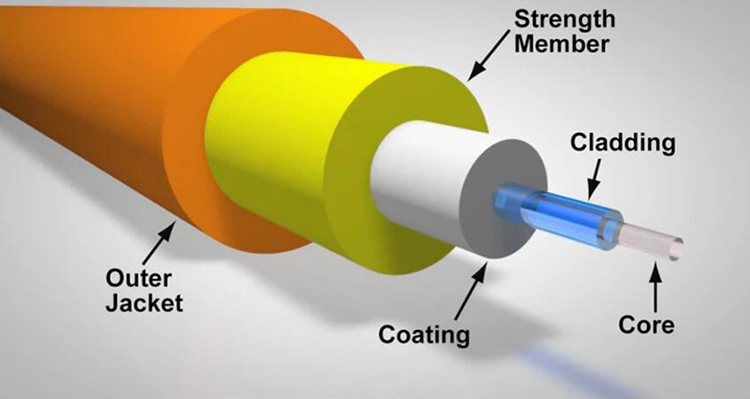
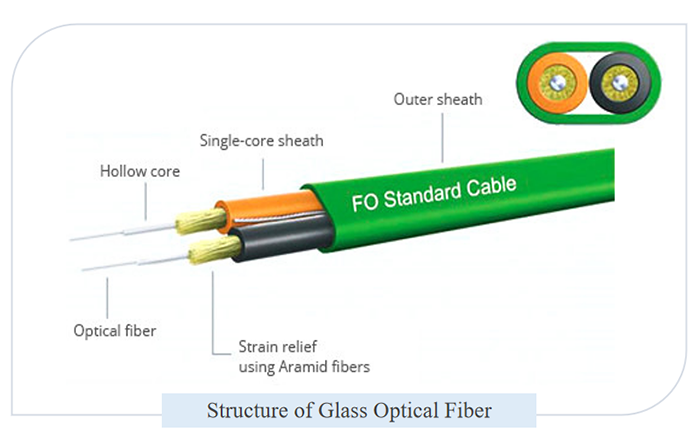
Single-mode fiber (SMF) has a small core diameter, typically around 9 micrometers, which allows it to carry light directly down the fiber with minimal signal loss. This characteristic makes SMF ideal for long-distance transmissions, often used in telecommunications and data centers.
Multimode fiber (MMF), on the other hand, has a larger core diameter, usually 50 or 62.5 micrometers. This larger core allows multiple light modes to travel down the fiber simultaneously, but it also results in higher modal dispersion, limiting the transmission distance. MMF is commonly used for shorter distances, such as within buildings or campus networks.
Table of Contents
ToggleDecoding SFP Modules
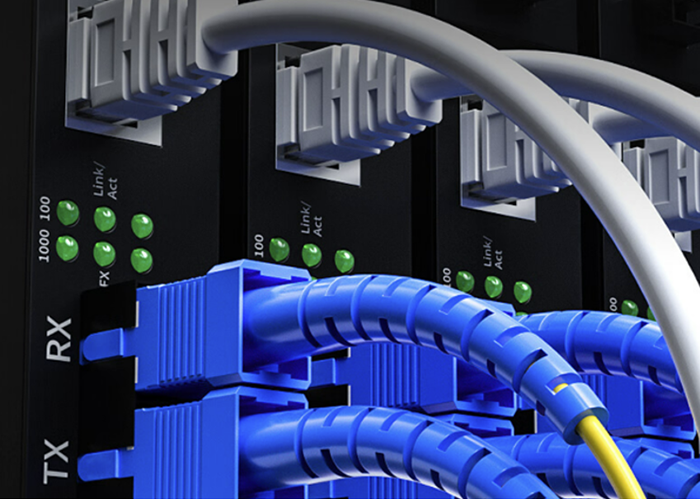
SFP modules are hot-swappable devices used in network equipment like switches and routers to connect to fiber optic cables. They come in different types designed for either SMF or MMF. MM SFPs are tailored for multimode fibers and usually operate at wavelengths of 850 nm, while SM SFPs are intended for single-mode fibers, typically operating at 1310 nm or 1550 nm.
The Compatibility Conundrum
Now, let’s address the burning question: Can you use MM SFP on single-mode fiber? The short answer is technically yes, but it’s not recommended for several reasons.
Firstly, MM SFPs are optimized for multimode fiber’s larger core and shorter transmission distances. When you connect an MM SFP to SMF, the signal can still travel, but the mismatch in core sizes causes significant signal loss and dispersion. This mismatch can degrade the performance, leading to increased bit error rates and reduced data integrity.
Secondly, the wavelength difference plays a crucial role. MM SFPs operating at 850 nm are not well-suited for the transmission properties of single-mode fiber, which is optimized for 1310 nm or 1550 nm wavelengths. This wavelength mismatch can result in further signal attenuation and poor network performance.
Why Compatibility Matters
In the realm of networking, performance and reliability are paramount. Using the wrong type of SFP with your fiber optic cable can lead to several issues:
- Signal Loss and Attenuation: As mentioned, the core size mismatch and wavelength differences cause significant signal degradation.
- Increased Bit Error Rate (BER): Signal loss leads to higher BER, which means more retransmissions and decreased network efficiency.
- Reduced Transmission Distance: The intended benefits of single-mode fiber’s long-distance capabilities are negated.
- Potential Equipment Damage: Prolonged use of incompatible components can strain the network equipment, potentially leading to failures.
To avoid these pitfalls, it is crucial to match your SFP modules with the appropriate type of fiber optic cable. If your network setup requires single-mode fiber, investing in SM SFP modules is the best course of action to ensure optimal performance and longevity.
Exploring Alternatives and Best Practices
While it may be tempting to use existing MM SFP modules with single-mode fiber to cut costs or simplify inventory management, the potential drawbacks outweigh the short-term benefits. Instead, consider these alternatives and best practices to maintain a robust and efficient network.
Invest in the Right SFP Modules
One of the most straightforward solutions is to invest in the correct SFP modules for your fiber type. For single-mode fiber, use SM SFPs designed to operate at 1310 nm or 1550 nm wavelengths. These modules are specifically engineered to complement the properties of single-mode fibers, ensuring minimal signal loss and optimal performance.
Utilize SFP+ Modules for Enhanced Performance
For networks requiring higher data rates and improved performance, consider SFP+ modules. These modules support higher data rates, such as 10 Gbps, and are available for both single-mode and multimode fibers. SFP+ modules are backward compatible with standard SFP ports, providing flexibility and scalability for future network upgrades.
Leverage BiDi SFPs for Simplified Cabling
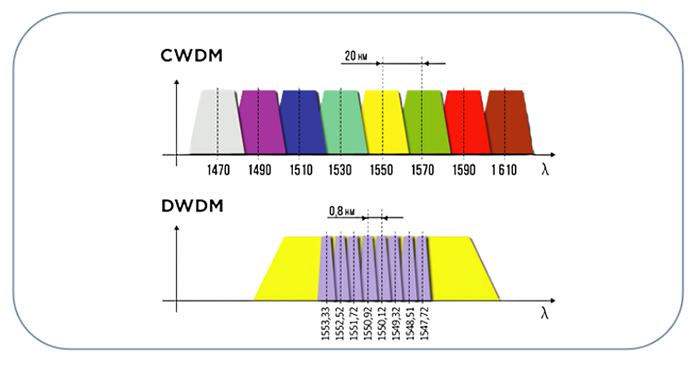
Bidirectional (BiDi) SFPs are another innovative solution. These modules use a single fiber strand for both transmitting and receiving signals by utilizing different wavelengths in each direction. BiDi SFPs are available for both single-mode and multimode fibers, offering a cost-effective way to maximize fiber utilization and reduce cabling complexity.
Implement Quality Assurance Practices
Ensuring the compatibility and performance of your fiber optic network requires diligent quality assurance practices. Regularly inspect and test your fiber optic connections, using tools like optical time-domain reflectometers (OTDR) and power meters to verify signal integrity and identify potential issues.
Future-Proof Your Network
As technology evolves, so do the demands on network infrastructure. Future-proofing your network involves planning for scalability and flexibility. Consider investing in modular network equipment that allows for easy upgrades and expansions. By staying informed about emerging technologies and standards, you can make informed decisions that keep your network ahead of the curve.
Conclusion: A Network Built on Compatibility
In conclusion, while it is technically possible to use MM SFP modules on single-mode fiber, it is not advisable due to the significant performance and reliability issues it can cause. Understanding the fundamental differences between multimode and single-mode fibers, as well as the specific requirements of SFP modules, is essential for building a robust and efficient network.
Investing in the right components, implementing best practices, and planning for the future are key steps to ensure your network operates at its best. By prioritizing compatibility and performance, you can avoid common pitfalls and build a network that meets the demands of today’s data-driven world.
In the ever-evolving landscape of fiber optics, knowledge is power. Equip yourself with the insights and tools needed to make informed decisions, and your network will thrive, delivering seamless, high-speed connectivity for years to come.
By adhering to these guidelines and leveraging the right technologies, you can achieve a high-performance network that stands the test of time, ensuring that your organization’s data communication needs are met with excellence.
Frequently Asked Questions
Q:Can 1G SFP work with 10G SFP
A:Yes, technically, a 1G SFP can physically fit into a 10G SFP port, but it will not work as intended. The mismatch in data rates will likely result in communication errors, link instability, and degraded network performance. Mixing different SFP speeds can lead to potential issues such as data packet loss, increased latency, and network congestion.
To address these issues when mixing 1G and 10G SFPs, it is recommended to use media converters or rate-selectable SFP modules that can adapt to different speeds. These devices can help bridge the gap between different SFP speeds and ensure compatibility within the network.
From a current perspective, with the advancement of technology and the widespread adoption of higher network speeds, it is becoming increasingly important to maintain uniformity in SFP speeds to optimize network performance and reliability. Therefore, it is advisable to avoid mixing 1G and 10G SFPs whenever possible to prevent potential compatibility issues and ensure seamless network operation.
Q:Do Walsun appliances support direct attach cable (DAC)?
A:Yes, Walsun appliances support a passive DAC in release 10.5 and later.
Q:Which port must I insert the DAC into?
A:DAC is inserted into the 10G port on the appliance.
Q:Does the 1G port support a DAC?
A:No. The DAC might fit into a 1G port but is not supported.
Q:How can I order a DAC?
A:Contact your Walsun sales representative to order a DAC.
Q:Can I mix DAC and fiber transceivers on the same appliance?
A:Yes. You can mix DAC and fiber transceivers on the same appliance. Each 10G port supports both options.
Q:Can I mix SFP+ fiber and DAC in ports that are part of the same link aggregation channel?
A:No. There must be symmetry between all elements in the same link aggregation channel.
Q:Which transceivers use the MPO type connector?
A:Only 40G QSFP+ SR4 transceiver and 100G QSFP28 SR4 transceivers use the MPO type connector. All other fiber transceivers use the LC type connector.
Q:Are special adapters required for 25G, 50G, and 100G ports?
A 100G port can support five speeds: 10G, 25G, 40G, 50G, and 100G. 1G speed is not supported on the 100G port. 50G and 100G ports use the same transceiver. The appliance determines the speed, and not the port.
Only 50G/100G (QSFP28) and 40G (QSFP+) transceivers can be directly used on a QSFP28 interface. Use a QSA28 adapter on a QSFP28 interface to use 10G (SFP+) and 25G (SFP28) transceivers.
Related Article:
SFP-CWGE27-80C 1.25G CWDM SFP 1270nm 80km LC SMF DDM Transceiver Module
TRENDnet TEG-MGBS10 Compatible 1000Base LX SFP 1310nm 10km LC SMF DDM Transceiver Module
SFP-GE35-2BX20 1000Base 2 Channels BX BIDI CSFP TX1310nm-RX1550nm 20km LC SMF DDM Transceiver Module
SFP-GE55-ZX 1000Base SFP ZX 1550nm 80km LC SMF DDM Transceiver Module
SFP-DWGE17-120C 1.25G DWDM SFP C17 100GHz 1563.86nm 120km LC SMF DDM Transceiver Module