In the ever-evolving landscape of networking, the need for speed and efficiency is paramount. Businesses and organizations strive to enhance their network performance while optimizing costs. A common question that arises in this context is: Can you mix SFP and SFP+ transceiver modules? To answer this, we need to delve into the basics of these two types of transceivers, their differences, and how they interact within a network environment.
Understanding SFP and SFP+
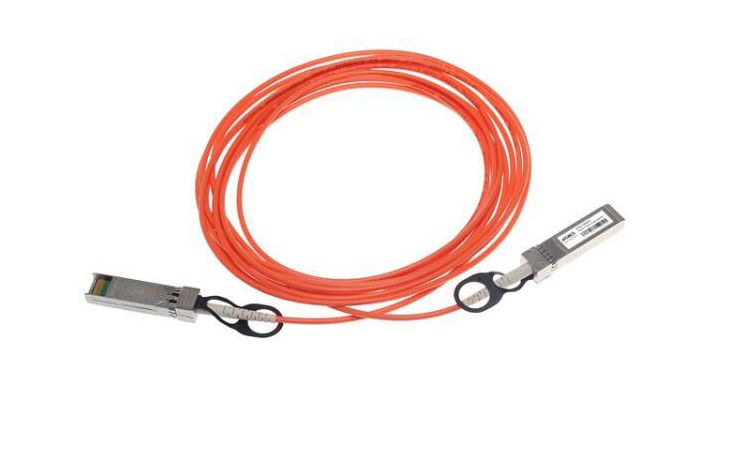
SFP (Small Form-factor Pluggable) and SFP+ (Enhanced Small Form-factor Pluggable) are both types of transceiver modules used for data communication. They serve as the interface between the network device and the fiber optic or copper networking cable. The primary difference between SFP and SFP+ lies in their data transmission capabilities and intended applications.
Table of Contents
ToggleSFP Transceivers:
Support data rates up to 1 Gbps (Gigabit per second).
Commonly used for standard Gigabit Ethernet (GbE) applications.
Compatible with various networking standards, including Ethernet, Fibre Channel, and SONET/SDH.
SFP+ Transceivers:
Support data rates up to 10 Gbps (Gigabits per second).
Primarily used for 10 Gigabit Ethernet (10 GbE) applications.
Provide enhanced performance and greater data transmission capabilities compared to SFP.
Despite their differences in speed and performance, SFP and SFP+ transceivers share similar physical characteristics and connector types. This similarity often leads to questions about their interoperability and compatibility within network devices.
Compatibility Considerations
Mixing SFP and SFP+ transceivers is technically possible, but several factors need to be considered to ensure proper functionality and network performance.
Device Compatibility:
Network devices, such as switches and routers, must support both SFP and SFP+ transceivers. Some devices are designed with dual-rate ports that can accommodate both types, while others are strictly limited to either SFP or SFP+.
Port Configuration:
The configuration of the ports on the network device plays a crucial role. For example, an SFP+ port can accept an SFP transceiver, but it will operate at the lower 1 Gbps speed. Conversely, an SFP port cannot support an SFP+ transceiver due to the higher power requirements and data rate capabilities of SFP+.
Network Performance:
Mixing SFP and SFP+ transceivers within a network can impact overall performance. If an SFP transceiver is used in an SFP+ port, the link will be limited to 1 Gbps, which may bottleneck data traffic if higher speeds are required. Therefore, careful planning and consideration of network requirements are essential to avoid performance degradation.
Practical Applications and Scenarios
Understanding the practical implications of mixing SFP and SFP+ transceivers is crucial for network administrators and IT professionals. Let’s explore some common scenarios where this mix might be considered and the potential outcomes.
Scenario 1: Gradual Network Upgrade
Many organizations upgrade their network infrastructure gradually due to budget constraints or operational requirements. In such cases, mixing SFP and SFP+ transceivers can be a viable solution. For instance, existing SFP modules can be used in SFP+ ports of newly acquired switches to maintain compatibility with older network segments. This approach allows for a phased upgrade while ensuring continuous network operation. However, it’s vital to monitor the network traffic to avoid bottlenecks, especially on links that handle high data volumes.
Scenario 2: Cost Optimization
In some instances, certain segments of the network might not require the high-speed capabilities of SFP+. For example, connections to less critical devices or segments with lower bandwidth demands can continue using SFP transceivers, while core network components and high-traffic areas are equipped with SFP+. This selective approach can optimize costs without compromising the overall network performance. It’s a strategic decision that balances performance needs with budgetary constraints.
Scenario 3: Backup and Redundancy
Using a mix of SFP and SFP+ transceivers can also enhance network redundancy. For instance, critical links can employ SFP+ transceivers to ensure high-speed data transmission, while backup links can use SFP transceivers. In the event of a primary link failure, the backup link can take over, ensuring business continuity. Although the backup link operates at a lower speed, it provides a failover mechanism that keeps the network running.
Best Practices for Mixing SFP and SFP+
To ensure optimal performance and compatibility when mixing SFP and SFP+ transceivers, it’s essential to follow best practices and guidelines:
Consult Device Specifications:
Always refer to the specifications and documentation of your network devices. Manufacturers provide detailed information about supported transceivers and compatibility, which can guide your decisions.
Plan Network Topology:
Carefully plan your network topology to avoid bottlenecks. Identify critical links that require high-speed connectivity and allocate SFP+ transceivers accordingly. For less critical connections, SFP transceivers can be used.
Monitor Network Performance:
Regularly monitor network performance to detect any potential issues caused by mixed transceiver usage. Use network management tools to track data traffic and identify areas that may require upgrades.
Test Before Deployment:
Before deploying mixed transceivers in a production environment, conduct thorough testing to ensure compatibility and performance. Testing can help identify any unforeseen issues and allow for adjustments before full-scale implementation.
Firmware Updates:
Ensure that your network devices have the latest firmware updates. Firmware updates often include compatibility improvements and bug fixes that can enhance the performance of mixed transceiver environments.
Conclusion
Mixing SFP and SFP+ transceivers can be a practical and cost-effective solution for network upgrades, cost optimization, and redundancy. However, it requires careful planning, thorough testing, and ongoing monitoring to ensure compatibility and optimal performance. By understanding the differences between SFP and SFP+ and following best practices, network administrators can make informed decisions that enhance their network infrastructure while meeting performance and budgetary goals.