In the world of networking and data transmission, SFP (Small Form-factor Pluggable) transceivers play a pivotal role. These compact devices are the unsung heroes of our high-speed internet connections, enabling seamless communication across vast distances. However, a question that often arises among IT professionals and network administrators is: “Can you burn out an SFP?”
The short answer is yes, but the intricacies behind it are worth exploring.
Understanding SFP Transceivers
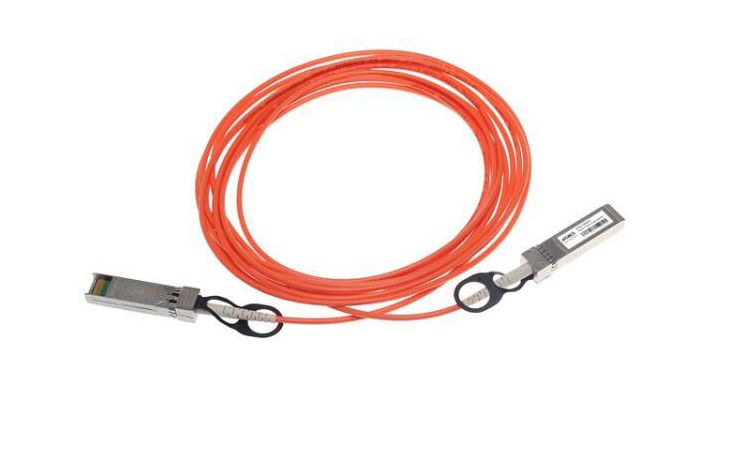
SFP transceivers are modular devices that connect a network switch to a fiber optic or copper networking cable. They are designed to support various communication standards, including Ethernet, Fibre Channel, and SONET. Given their critical role in data transmission, ensuring their longevity and optimal performance is paramount.
Table of Contents
ToggleCauses of SFP Burnout
- Overheating: One of the most common causes of SFP burnout is overheating. SFPs are designed to operate within a specific temperature range, typically between 0°C and 70°C (32°F to 158°F). Exceeding this range can lead to thermal damage. Overheating can result from poor ventilation in network equipment, dust accumulation, or placing the transceivers in high-temperature environments.
- Electrostatic Discharge (ESD): ESD can damage the delicate internal components of an SFP. Handling these devices without proper grounding or using inadequate protective measures can lead to burnout. ESD is a sudden flow of electricity between two electrically charged objects, which can cause irreparable damage to electronic components.
- Power Surges: Network equipment is susceptible to power surges, which can occur due to lightning strikes, power outages, or sudden changes in electrical load. These surges can cause a spike in voltage that exceeds the tolerance levels of an SFP, leading to immediate failure.
Improper Handling and Installation: Mishandling SFP transceivers during installation or maintenance can also contribute to their burnout. Dropping the transceivers, applying excessive force, or using inappropriate tools can damage the connectors and internal circuitry.
Signs of a Failing SFP
Recognizing the signs of a failing SFP can help prevent complete burnout and minimize network downtime. Some common indicators include:
- Intermittent Connectivity: If network connections become sporadic or unreliable, it could signal an issue with the SFP.
- Increased Error Rates: A rise in error rates during data transmission may indicate that the SFP is starting to fail.
- Physical Damage: Visible signs of damage, such as bent connectors or burn marks, are clear indicators of a problem.
Preventative Measures
- Regular Maintenance: Implement a routine maintenance schedule to clean and inspect SFP transceivers. Use appropriate cleaning tools to remove dust and debris from connectors.
- Proper Ventilation: Ensure that network equipment is housed in well-ventilated areas. Avoid placing devices in enclosed spaces that can trap heat.
- Use Surge Protectors: Install surge protectors to safeguard against power surges and electrical spikes.
- Handle with Care: Always handle SFP transceivers with care, using appropriate grounding and anti-static measures to prevent ESD damage.
In the next section, we will delve deeper into advanced techniques for prolonging the life of your SFP transceivers, discuss real-world scenarios of SFP burnout, and provide expert tips from industry professionals.
Advanced Techniques for SFP Longevity
While basic preventative measures are essential, advanced techniques can further enhance the lifespan and reliability of SFP transceivers.
Temperature Monitoring: Implement temperature monitoring systems for network equipment. Many modern switches and routers come equipped with temperature sensors that can alert administrators to potential overheating issues. Regularly review these logs to ensure SFPs are operating within safe temperature ranges.
Firmware Updates: Ensure that all network devices, including SFP transceivers, have the latest firmware updates. Manufacturers often release updates that can improve performance and address known issues that may lead to burnout.
Redundant Links: Design your network with redundancy in mind. By creating redundant links, you can distribute the load and reduce the stress on individual SFP transceivers. This not only prolongs their lifespan but also enhances overall network reliability.
Quality Components: Invest in high-quality SFP transceivers from reputable manufacturers. While it might be tempting to cut costs with cheaper alternatives, the reliability and performance of branded components can significantly reduce the risk of burnout.
Real-World Scenarios of SFP Burnout
Case Study 1: Data Center Overheating
In a mid-sized data center, a sudden spike in ambient temperature led to multiple SFP transceiver failures. The cause was traced back to a malfunctioning air conditioning unit. The lack of proper cooling resulted in overheating, and several SFPs exceeded their thermal limits. After replacing the faulty HVAC system and installing additional temperature monitoring, the data center experienced no further SFP burnout incidents.
Case Study 2: ESD Damage in a Manufacturing Facility
A manufacturing facility experienced frequent network disruptions due to SFP transceiver failures. Investigation revealed that improper handling during maintenance was causing ESD damage. By implementing strict ESD protection protocols and training staff on proper handling techniques, the facility significantly reduced the incidence of SFP burnout.
Expert Tips from Industry Professionals
- Routine Inspections: “Regularly inspect your SFPs for any signs of wear or damage. Early detection can prevent complete failure and costly downtime.” – John Miller, Network Engineer
- Environmental Control: “Maintaining a controlled environment is crucial. Ensure your data center has proper cooling and ventilation systems in place.” – Sarah Thompson, IT Infrastructure Specialist
- Documentation and Monitoring: “Keep detailed records of all your network components, including SFPs. Use monitoring tools to track performance and identify potential issues before they escalate.” – Michael Davis, IT Consultant
Conclusion
While SFP transceivers are robust and designed for longevity, they are not immune to burnout. Understanding the causes, recognizing the signs, and implementing preventative measures can significantly extend their lifespan and ensure the smooth operation of your network. By combining basic maintenance practices with advanced techniques and adhering to expert advice, you can minimize the risk of SFP burnout and maintain a reliable and efficient network infrastructure.
In summary, can you burn out an SFP? Absolutely. But with the right knowledge and proactive measures, you can keep your SFP transceivers—and your network—running smoothly for years to come.