In the rapidly evolving world of data communications, the ability to maintain and upgrade network infrastructure with minimal downtime is crucial. Enter the Small Form-Factor Pluggable (SFP) module—a key player in this domain. But a question that often arises among IT professionals and network engineers is: Can SFP be hot plugged?
Table of Contents
ToggleWhat is an SFP Module?
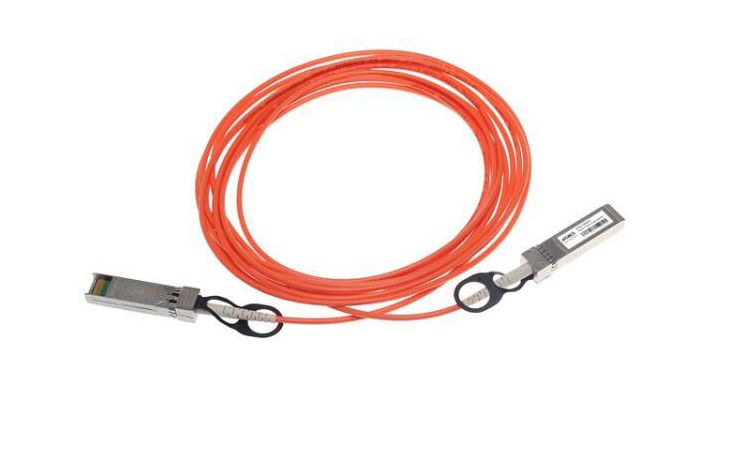
Before delving into the hot-plugging capabilities, it’s important to understand what an SFP module is. SFP modules are compact, interchangeable transceivers used in networking hardware. They are designed to facilitate high-speed data transmission over various media types, including fiber optic and copper cables. By allowing the same port to be used for different types of connections, SFP modules offer unparalleled flexibility in network design and management.
The Concept of Hot Plugging
Hot plugging refers to the ability to insert or remove a component from a system without having to power down the device or interrupt its operation. For network components, this capability can be a game-changer, allowing for maintenance and upgrades with minimal disruption.
Can SFP Modules Be Hot Plugged?
The answer is generally yes. Most SFP modules are designed with hot-plugging capabilities, which means they can be inserted or removed from a port while the system remains powered on and operational. This functionality is particularly valuable in modern network environments, where continuous uptime is essential.
However, it’s crucial to note that while the hardware is designed to support hot plugging, the success of this operation also depends on several factors, including the type of equipment being used and the specific implementation by the manufacturer.
Factors Influencing Hot Plugging Success
- Equipment Compatibility: Not all network devices handle hot plugging seamlessly. Ensure that the network switches, routers, or other hardware you are using are compatible with hot-plugging SFP modules. Check the manufacturer’s specifications and recommendations for your equipment.
- Firmware and Software: The ability to hot plug SFP modules can also depend on the firmware and software running on your network devices. Updated firmware can enhance compatibility and stability, so keeping your devices up-to-date is crucial.
- Proper Handling: When performing hot plugging, ensure that you handle the SFP modules and equipment properly to avoid physical damage or connectivity issues. Always follow best practices for insertion and removal.
- System Stability: While most modern systems are designed to handle hot plugging smoothly, there can still be rare cases where the system might experience glitches or temporary disruptions. Monitoring the network performance after a hot plug operation is a good practice.
Best Practices for Hot Plugging SFP Modules
To ensure a smooth hot-plugging process, follow these best practices:
- Verify Compatibility: Before inserting or removing an SFP module, confirm that both the module and the hardware support hot plugging.
- Use Quality Components: Invest in high-quality SFP modules and compatible equipment to minimize the risk of issues during hot plugging.
- Monitor Network Performance: After a hot plug operation, monitor the network to ensure that the SFP module is functioning correctly and that there are no unexpected disruptions.
- Follow Manufacturer Guidelines: Always refer to the manufacturer’s guidelines and documentation for specific instructions related to hot plugging in your equipment.
Common Issues and Troubleshooting
While SFP modules are designed for hot plugging, issues can occasionally arise. Here are some common problems and how to address them:
No Link or Connectivity Issues: If you insert an SFP module and the link is not established, check the following:
Ensure the module is properly seated in the port.
Verify that the connected cables are functioning correctly.
Check the network settings and configurations to ensure compatibility with the new module.
Inconsistent Performance: If you experience inconsistent performance after a hot plug operation, consider:
Restarting the network device to reinitialize the connection.
Checking for firmware updates that might address compatibility issues.
Confirming that the SFP module is the correct type for your network’s requirements.
Device Not Recognizing the Module: In cases where the device does not recognize the new SFP module:
Make sure the module is supported by your device.
Inspect the module and port for any physical damage or debris.
Refer to the device’s documentation to ensure that no additional steps are required for module recognition.
Advantages of Hot Plugging SFP Modules
The ability to hot plug SFP modules brings several advantages to network management:
Minimized Downtime: By allowing changes and upgrades without shutting down the system, hot plugging helps maintain continuous network availability.
Increased Flexibility: Network administrators can quickly adapt to changing needs by swapping modules to accommodate different types of connections or speeds.
Simplified Maintenance: Routine maintenance and troubleshooting become more manageable, as network components can be replaced or upgraded with minimal disruption.
Future Trends and Considerations
As technology continues to advance, the functionality and design of SFP modules and their hot-plugging capabilities are likely to evolve. Emerging standards and innovations may further enhance the ease and reliability of hot plugging.
When planning future upgrades or expansions, consider the evolving landscape of network technology. Staying informed about the latest developments and industry standards will help you make the best choices for your network infrastructure.
Conclusion
Hot plugging SFP modules offers significant benefits for network management, providing flexibility and minimizing downtime. While most SFP modules are designed to support hot plugging, successful operation depends on equipment compatibility, firmware, and best practices. By understanding these factors and following proper procedures, you can leverage hot plugging to maintain a robust and adaptable network infrastructure.
As you continue to manage and upgrade your network, keeping up with the latest technologies and practices will ensure that you can take full advantage of the capabilities that modern networking components, like SFP modules, have to offer.