In the rapidly evolving world of networking, ensuring compatibility between components is crucial for optimizing performance and avoiding unnecessary costs. This article explores whether a 1Gb SFP can function in a 10Gb port, delving into the technical intricacies and practical considerations for network professionals.
1Gb SFP, 10Gb port, networking, transceiver compatibility, data transfer speed, IT infrastructure, network optimization
In the realm of network management, one common question arises: Can a 1Gb SFP (Small Form-factor Pluggable) work with a 10Gb port? This inquiry touches on the core of networking technology and equipment interoperability, essential for businesses and IT professionals looking to optimize their infrastructure while managing costs.
Table of Contents
ToggleUnderstanding SFP Modules and Ports
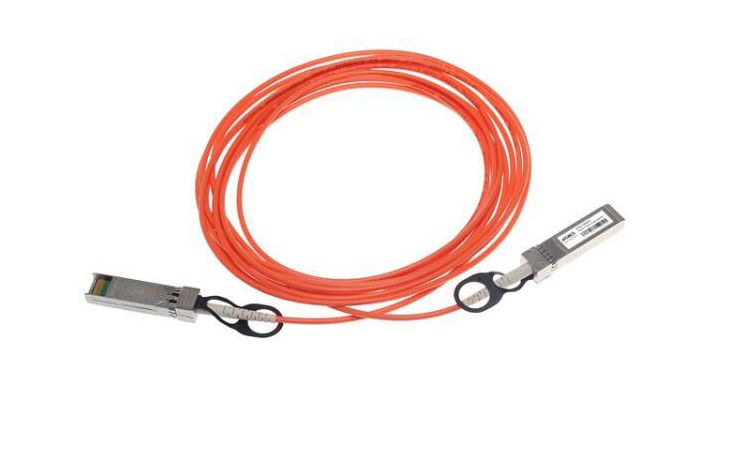
SFP modules are small, hot-pluggable network devices used to connect network hardware to fiber optic cables. They play a pivotal role in determining the data transfer speed and type of connection (fiber or copper) in a network setup. SFPs come in various types, typically categorized by the maximum data transfer speed they support—1Gbps, 10Gbps, 25Gbps, and beyond.
On the other hand, SFP ports are the slots on network equipment (like switches, routers, and servers) where these modules are inserted. The port’s capability—whether it can handle 1Gbps, 10Gbps, or higher speeds—depends on the network hardware’s design and the type of SFP module used.
The Interplay Between 1Gb SFPs and 10Gb Ports
The fundamental question is whether a 1Gb SFP can be used in a 10Gb port without compatibility issues. The answer largely hinges on the design of the network hardware. Most modern 10Gb ports are designed to be backward compatible with 1Gb SFPs. This means that a 1Gb SFP can be inserted into a 10Gb port, and the network will operate at 1Gbps speeds, aligning with the SFP module’s capability. This backward compatibility is an essential feature for network flexibility, allowing businesses to upgrade infrastructure incrementally without immediate overhaul costs.
Why Consider Using a 1Gb SFP in a 10Gb Port?
Cost Efficiency: 10Gb SFPs are more expensive than their 1Gb counterparts. In scenarios where full 10Gbps speed is unnecessary—such as connections with less demanding bandwidth requirements—using a 1Gb SFP can be a cost-effective alternative.
Gradual Upgrades: For organizations planning to transition to higher-speed networks, utilizing existing 1Gb SFPs in 10Gb ports can provide a temporary solution. This allows a phased upgrade process, easing budget constraints and minimizing immediate financial outlays.
Hardware Availability: In situations where 10Gb SFPs are unavailable or back-ordered, 1Gb SFPs can serve as a stop-gap solution, ensuring continued network functionality without significant downtime.
Limitations and Considerations
While the backward compatibility of 10Gb ports with 1Gb SFPs offers flexibility, there are important limitations to consider:
Speed Limitation: The connection will be limited to 1Gbps, regardless of the 10Gb port’s capabilities. This is a crucial factor in environments requiring high data throughput, where using a 1Gb SFP might bottleneck performance.
Future-Proofing: Relying on 1Gb SFPs in a 10Gb infrastructure can delay full network upgrades. As data demands increase, especially with growing cloud services and data-centric applications, the need for faster connections becomes imperative.
Compatibility Issues: Not all network equipment supports backward compatibility. It’s essential to verify that the specific 10Gb port can accommodate 1Gb SFPs, as variations in hardware design can lead to unexpected incompatibility issues.
In conclusion, using a 1Gb SFP in a 10Gb port is a viable option in many scenarios, offering cost savings and flexibility. However, it requires careful consideration of the specific network requirements and future growth plans.
Exploring Real-World Scenarios
To understand the practical implications of using 1Gb SFPs in 10Gb ports, let’s explore some real-world scenarios where this setup might be considered:
Data Centers and Enterprise Networks: In large-scale data centers and enterprise networks, the use of 10Gb infrastructure is becoming standard. However, not all network segments require such high speeds. For instance, connections to certain servers, storage devices, or peripheral networks may not demand more than 1Gbps. In these cases, deploying 1Gb SFPs can optimize resource allocation without sacrificing critical performance where it’s needed most.
SMBs and Incremental Growth: Small and medium-sized businesses (SMBs) often operate under tight budget constraints. For them, upgrading to a full 10Gbps network can be a significant investment. By using 1Gb SFPs in 10Gb ports, these businesses can gradually upgrade their network infrastructure. This method allows them to maintain a balance between current needs and future expansion, adopting a “pay-as-you-grow” strategy that aligns with their financial planning.
Educational and Research Institutions: These institutions often have diverse network needs, with some applications requiring high bandwidth (such as research data transfer) and others needing less (like administrative workstations). Using 1Gb SFPs in 10Gb ports allows for a flexible and cost-effective approach to meet varying bandwidth requirements across different departments and use cases.
Technical Considerations and Best Practices
Checking Compatibility: Not all network hardware supports the use of 1Gb SFPs in 10Gb ports. It’s crucial to consult the manufacturer’s specifications or support documentation to confirm compatibility. This step prevents potential connectivity issues and ensures optimal network performance.
Firmware and Software Updates: Ensuring that network equipment firmware and software are up-to-date can enhance compatibility and performance. Updates often include fixes and improvements that can resolve issues related to SFP module compatibility.
Network Planning: Effective network planning involves understanding current and future data needs. While using 1Gb SFPs in 10Gb ports can be a temporary solution, it’s vital to plan for a complete upgrade as data demands increase. This foresight helps in budgeting and avoids potential performance bottlenecks.
Testing and Monitoring: Before fully deploying 1Gb SFPs in a network, it’s advisable to conduct testing to assess performance and compatibility. Monitoring network performance can also help identify any issues early, allowing for timely adjustments.
The Future of Network Speeds
As technology continues to advance, network speeds and standards are rapidly evolving. The adoption of higher-speed connections, such as 25Gbps, 40Gbps, and even 100Gbps, is becoming more common in data centers and enterprise environments. This evolution underscores the importance of investing in future-proof infrastructure. While using 1Gb SFPs in 10Gb ports can be a stopgap measure, preparing for higher-speed networks is crucial for long-term scalability and performance.
Conclusion
Using a 1Gb SFP in a 10Gb port is a practical solution for managing network costs and resources efficiently. It offers a level of flexibility that is particularly valuable during transitional periods or in scenarios where full-speed upgrades are not immediately necessary. However, network administrators and IT professionals must weigh the benefits against potential limitations, considering both current needs and future growth. Ultimately, the goal is to build a network infrastructure that is robust, scalable, and capable of meeting the demands of tomorrow’s technology landscape.