In the ever-evolving landscape of networking technology, ensuring seamless integration and optimal performance of your infrastructure is paramount. One common question that arises is, “Can 10G SFP work with 1G SFP?” This inquiry touches on the compatibility between different generations of Small Form-Factor Pluggable (SFP) modules, crucial components in fiber optic networks. Understanding the intricacies of these devices can significantly enhance your network’s efficiency and future-proofing.
Understanding SFP Modules
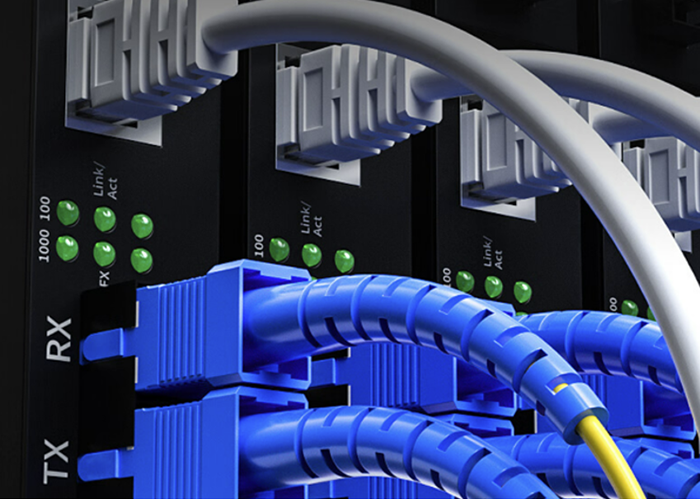
SFP modules, or transceivers, are compact, hot-swappable devices used in network switches, routers, and network interface cards (NICs). They facilitate the transmission of data over fiber optic or copper cables. These modules come in various types, primarily categorized by their data transfer rates, such as 1G (Gigabit) and 10G (10 Gigabit).
- 1G SFP: Also known as Gigabit SFP, these modules support data rates of up to 1 Gbps. They are typically used in standard enterprise networking environments and are widely adopted due to their cost-effectiveness and reliability.
- 10G SFP: These modules, including SFP+ (an enhanced version of SFP), support data rates of up to 10 Gbps. They are designed for high-performance networking scenarios, such as data centers and high-traffic networks, where faster data transmission is critical.
Table of Contents
ToggleCompatibility Concerns
The primary concern when considering the use of 10G SFP with 1G SFP lies in their compatibility. Although they serve similar purposes, the significant difference in their data transfer capabilities poses a question: Can a 10G SFP module operate at 1G speeds, or vice versa?
Backward Compatibility: In many cases, 10G SFP+ modules are backward compatible with 1G speeds. This means a 10G SFP+ module can often negotiate down to 1G speed if inserted into a 1G-compatible port or connected to a 1G SFP module. However, this compatibility isn’t universal and may vary depending on the specific models and manufacturers.
Auto-Negotiation: Some SFP modules and switches support auto-negotiation, allowing them to detect and adjust to the appropriate speed based on the connected devices. This feature can facilitate the interoperability between 10G and 1G modules, ensuring a stable connection even when different speeds are involved.
Firmware and Hardware Support: Compatibility also depends on the firmware and hardware capabilities of the networking equipment. Ensuring that your switches, routers, and NICs are updated with the latest firmware can enhance compatibility and performance when mixing 10G and 1G SFP modules.
Practical Scenarios
Understanding the theoretical compatibility is one thing, but how does this play out in practical scenarios? Let’s explore some common use cases:
- Upgrading Network Infrastructure: When upgrading from a 1G to a 10G network, you may need to use both 1G and 10G SFP modules during the transition period. In such cases, ensuring that your 10G SFP+ modules can operate at 1G speeds can smooth the upgrade process, allowing for gradual implementation without immediate replacement of all existing 1G modules.
- Cost Management: High-performance 10G SFP modules are typically more expensive than their 1G counterparts. In scenarios where only certain segments of the network require 10G speeds, using a mix of 1G and 10G SFP modules can be a cost-effective strategy, providing the necessary performance where needed without unnecessary expenditure.
- Interoperability in Mixed Environments: Large organizations often have diverse networking environments with a mix of older and newer equipment. Ensuring compatibility between 1G and 10G SFP modules can help maintain network cohesion and prevent bottlenecks, facilitating smoother data flow across different segments of the network.
Factors Influencing Compatibility
While many 10G SFP+ modules can operate at 1G speeds, several factors can influence this compatibility. It’s crucial to consider these factors to ensure seamless integration and optimal performance.
- Vendor Specificity: Different manufacturers may implement varying standards and features in their SFP modules. It’s advisable to check the specifications provided by the manufacturer to confirm compatibility. Some vendors explicitly state the backward compatibility of their 10G SFP+ modules with 1G speeds, while others may not.
- Quality and Standards: Ensuring that the SFP modules comply with industry standards (such as those set by the Institute of Electrical and Electronics Engineers, IEEE) can enhance compatibility. Modules adhering to these standards are more likely to support mixed-speed operations without issues.
- Environmental Factors: The physical environment, including temperature and electromagnetic interference, can affect the performance of SFP modules. Using high-quality, robust modules designed to withstand varying environmental conditions can ensure reliable performance across different speeds.
- Network Topology: The design and topology of your network can influence compatibility. Understanding the data flow and ensuring that the critical paths are equipped with the appropriate modules can prevent potential bottlenecks and performance degradation.
Best Practices for Ensuring Compatibility
To maximize the compatibility and performance of your network when using a mix of 10G and 1G SFP modules, consider the following best practices:
- Thorough Testing: Before deploying mixed-speed SFP modules in a production environment, conduct thorough testing in a controlled setting. This can help identify any compatibility issues and allow for adjustments before full-scale implementation.
- Firmware Updates: Regularly updating the firmware of your networking equipment can resolve compatibility issues and enhance performance. Manufacturers often release updates that improve the interoperability of their devices.
- Consulting Vendor Support: Engaging with vendor support can provide valuable insights and recommendations tailored to your specific network setup. Vendors can offer guidance on compatible modules and configurations, ensuring a smooth integration process.
- Documenting Configurations: Maintain detailed documentation of your network configurations, including the types of SFP modules used and their respective compatibility notes. This documentation can serve as a reference for future upgrades and troubleshooting.
Future-Proofing Your Network
As network demands continue to grow, future-proofing your infrastructure becomes essential. Integrating 10G SFP modules that are backward compatible with 1G speeds can provide a flexible and scalable solution. This approach allows for incremental upgrades, ensuring that your network can adapt to changing requirements without significant overhauls.
- Scalability: By leveraging the backward compatibility of 10G SFP+ modules, you can scale your network gradually. This flexibility allows for phased upgrades, reducing the immediate financial burden and minimizing disruption to ongoing operations.
- Enhanced Performance: While 1G speeds may suffice for certain applications, the growing demand for high-speed data transmission necessitates the adoption of 10G infrastructure. Ensuring compatibility between different speeds can enhance overall network performance, supporting bandwidth-intensive applications and services.
- Investment Protection: Investing in versatile, backward-compatible 10G SFP modules protects your investment in networking hardware. As technology evolves, your network can seamlessly integrate new advancements without rendering existing equipment obsolete.
Conclusion
The question, “Can 10G SFP work with 1G SFP?” highlights the importance of understanding the compatibility and functionality of networking components. While many 10G SFP+ modules are designed to operate at 1G speeds, ensuring compatibility requires careful consideration of factors such as vendor specifications, environmental conditions, and network topology.
By adopting best practices and staying informed about the latest advancements, you can optimize your network for both current and future needs. Embracing backward-compatible 10G SFP modules not only enhances performance but also provides a scalable and cost-effective solution, paving the way for a robust and future-proof network infrastructure.
Related Article:
SFP-CWGE27-80C 1.25G CWDM SFP 1270nm 80km LC SMF DDM Transceiver Module
TRENDnet TEG-MGBS10 Compatible 1000Base LX SFP 1310nm 10km LC SMF DDM Transceiver Module
SFP-GE35-2BX20 1000Base 2 Channels BX BIDI CSFP TX1310nm-RX1550nm 20km LC SMF DDM Transceiver Module
SFP-GE55-ZX 1000Base SFP ZX 1550nm 80km LC SMF DDM Transceiver Module
SFP-DWGE17-120C 1.25G DWDM SFP C17 100GHz 1563.86nm 120km LC SMF DDM Transceiver Module