In the ever-evolving world of networking, the quest for faster and more reliable data transfer is unending. One technology that often comes into focus during these discussions is the Small Form-factor Pluggable (SFP) port. But the question remains: are SFP ports faster? To answer this, we need to delve into the fundamentals of SFP technology and compare it with traditional Ethernet ports.
Understanding SFP Technology
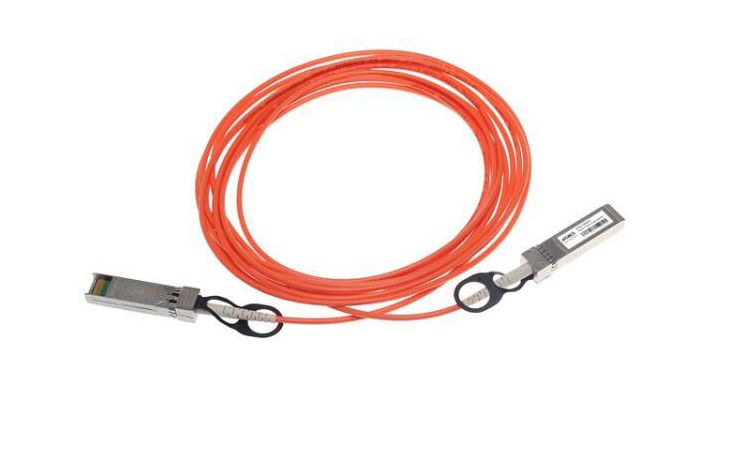
SFP ports are a type of interface that support hot-swappable modules, allowing for flexible and scalable network configurations. These ports can connect to both copper and fiber optic cables, making them highly versatile. The real game-changer, however, lies in their ability to support high-speed data transfer rates and longer transmission distances compared to standard Ethernet ports.
Table of Contents
ToggleSpeed Comparison: SFP vs. Ethernet
When discussing speed, it’s essential to consider the specific type of SFP module in use. Standard SFP modules typically support speeds of 1 Gbps (gigabits per second), but with advancements in technology, we now have SFP+ modules capable of 10 Gbps and QSFP+ modules that can reach 40 Gbps. In comparison, traditional Ethernet ports, commonly referred to as RJ45 ports, usually support speeds up to 1 Gbps, though modern advancements have introduced 10 Gbps Ethernet ports.
Despite these similarities at higher data rates, SFP ports tend to outperform Ethernet ports in terms of speed and efficiency for several reasons:
- Latency and Jitter: SFP ports, especially those using fiber optics, generally exhibit lower latency and jitter compared to copper Ethernet connections. This results in faster and more stable data transmission, which is crucial for applications requiring high precision and low delay, such as financial trading and real-time video streaming.
- Bandwidth and Scalability: SFP ports offer superior scalability. With the ability to swap modules, network administrators can easily upgrade to higher speeds or switch between different transmission media without replacing the entire port infrastructure. This flexibility ensures that networks can grow and adapt to increasing bandwidth demands more efficiently than those reliant on fixed-speed Ethernet ports.
- Transmission Distance: Fiber optic SFP modules can transmit data over much longer distances than copper-based Ethernet. While Ethernet is typically limited to 100 meters on copper cables, fiber optic SFPs can reach distances up to several kilometers, making them ideal for wide-area network (WAN) deployments and large campus environments.
The Role of SFP in Modern Networking
The deployment of SFP technology is becoming increasingly prevalent across various sectors. Data centers, for instance, rely heavily on SFP ports to manage vast amounts of data traffic efficiently. The ability to handle high-speed transfers with minimal latency makes SFP an attractive choice for connecting servers, storage devices, and switches within data centers.
Moreover, telecommunications companies utilize SFP ports to enhance their infrastructure, enabling faster and more reliable broadband services. The adaptability of SFP technology allows these companies to maintain a future-proof network, ready to accommodate emerging technologies and higher data rate requirements.
Case Study: Financial Services
One industry where SFP technology has made a significant impact is financial services. In high-frequency trading (HFT), where microseconds can mean the difference between profit and loss, the low latency and high-speed capabilities of SFP ports are invaluable. Financial institutions leverage SFP technology to ensure that their trading systems operate at peak performance, delivering swift and accurate data transmission essential for executing trades in real-time.
Conclusion: SFP Ports and Their Future
In conclusion, SFP ports indeed offer faster and more efficient data transfer compared to traditional Ethernet ports, particularly when considering factors such as latency, scalability, and transmission distance. The versatility of SFP technology ensures it remains a crucial component in modern networking, poised to support the ever-growing demands for speed and reliability.
As we continue to explore the advantages and applications of SFP ports, it’s important to understand the practical aspects of integrating this technology into existing networks. From cost considerations to the ease of deployment, there are several factors that organizations must evaluate to maximize the benefits of SFP technology.
Cost-Effectiveness and Investment
One of the initial considerations when adopting SFP technology is the cost. While SFP modules and compatible hardware can be more expensive upfront compared to traditional Ethernet equipment, the long-term benefits often justify the investment. The enhanced performance, reduced downtime, and scalability can lead to significant cost savings over time, particularly for enterprises that rely heavily on high-speed data transmission.
Implementation Challenges and Solutions
Integrating SFP ports into an existing network infrastructure can present challenges, especially for organizations with a legacy system primarily based on Ethernet. However, there are several strategies to facilitate a smooth transition:
Hybrid Networks: Many organizations opt for a hybrid network approach, combining both SFP and Ethernet ports. This allows for a gradual upgrade, minimizing disruption while taking advantage of the enhanced capabilities of SFP technology where it’s most needed.
Training and Support: Ensuring that IT staff are well-trained in the deployment and maintenance of SFP technology is crucial. Vendor support and comprehensive training programs can aid in the smooth implementation and troubleshooting of SFP modules and related hardware.
Testing and Optimization: Thorough testing and network optimization are essential steps. By conducting extensive trials and performance assessments, organizations can fine-tune their configurations to achieve optimal speed and reliability, ensuring that the SFP ports deliver their maximum potential.
Applications Beyond Data Centers
While data centers and financial institutions are prominent users of SFP technology, its applications extend far beyond these sectors. The healthcare industry, for example, benefits from SFP ports in several ways:
- Medical Imaging: The transmission of high-resolution medical images, such as MRI and CT scans, requires significant bandwidth. SFP ports enable rapid and reliable transfer of these large data files, improving diagnostic efficiency and patient care.
- Telemedicine: With the rise of telemedicine, reliable and fast data transmission is critical for real-time consultations and remote monitoring. SFP technology ensures that medical professionals can access and share patient data seamlessly, regardless of geographical constraints.
- Hospital Networks: Large healthcare facilities often have extensive network requirements, including the need for secure and efficient data transfer between departments. SFP ports provide the necessary speed and reliability to support these complex infrastructures.
The Impact of 5G and IoT
The advent of 5G technology and the proliferation of the Internet of Things (IoT) are set to further increase the demand for high-speed and low-latency networking solutions. SFP technology, with its inherent advantages, is well-positioned to meet these demands.
- 5G Networks: As 5G networks expand, the need for robust backhaul connections becomes critical. SFP ports, particularly those utilizing fiber optics, offer the necessary bandwidth and speed to support the vast data throughput required by 5G technology.
- IoT Devices: The growing number of IoT devices generates an immense amount of data that needs to be processed and transmitted efficiently. SFP ports can facilitate the seamless integration and communication of these devices within a network, ensuring that data flows smoothly and securely.
Future Prospects and Technological Advancements
Looking ahead, the future of SFP technology appears promising. Innovations such as BiDi (Bidirectional) SFP modules, which allow for data transmission and reception over a single fiber, are paving the way for even more efficient and cost-effective networking solutions. Additionally, advancements in silicon photonics and optical transceivers are expected to further enhance the performance and capabilities of SFP technology.
Conclusion: Embracing the Speed and Versatility of SFP Ports
In conclusion, SFP ports are indeed faster and more versatile than traditional Ethernet ports, offering numerous benefits across various industries. From improved speed and lower latency to greater scalability and longer transmission distances, SFP technology stands out as a superior choice for modern networking needs. As organizations continue to seek reliable and high-performing network solutions, the adoption of SFP ports is likely to grow, driving advancements and setting new standards in the world of data communication. Embrace the future of networking with SFP technology and unlock the potential for faster, more efficient data transfer.