Understanding the universality of SFP connectors is crucial for network professionals. This article delves into the compatibility, types, and best practices for using SFP connectors in various networking scenarios.
SFP connectors, SFP compatibility, networking, fiber optics, transceivers, data centers
In the dynamic world of networking, Small Form-factor Pluggable (SFP) connectors play a pivotal role in ensuring seamless communication and data transfer. As technology advances, the need for versatile and reliable connectors becomes more pronounced. But the question that often arises is: Are SFP connectors universal? To answer this, we need to explore the intricacies of SFP connectors, their types, and their compatibility across different devices and systems.
Understanding SFP Connectors
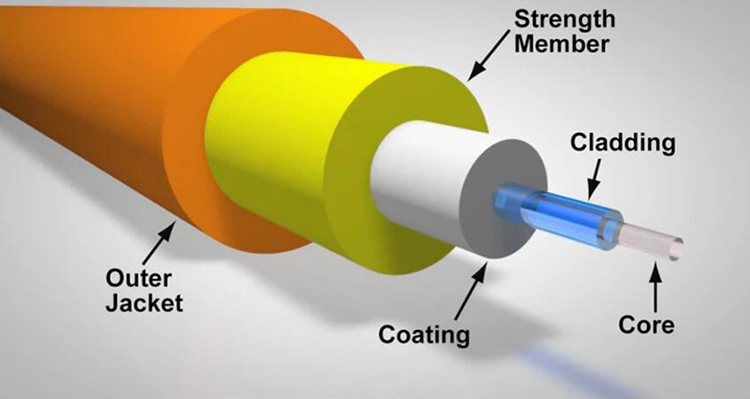
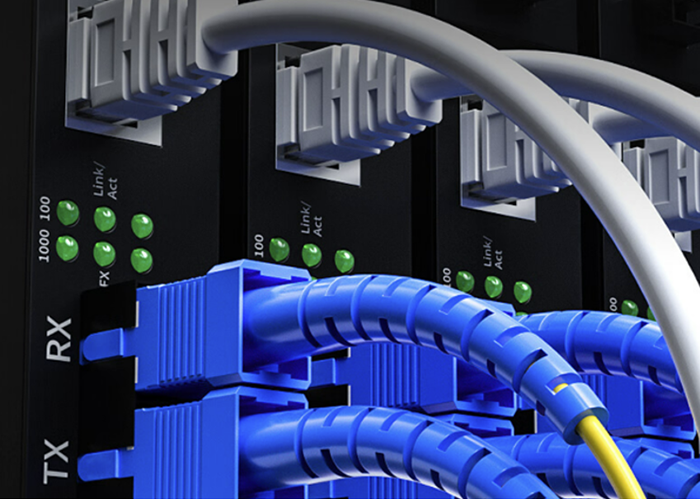
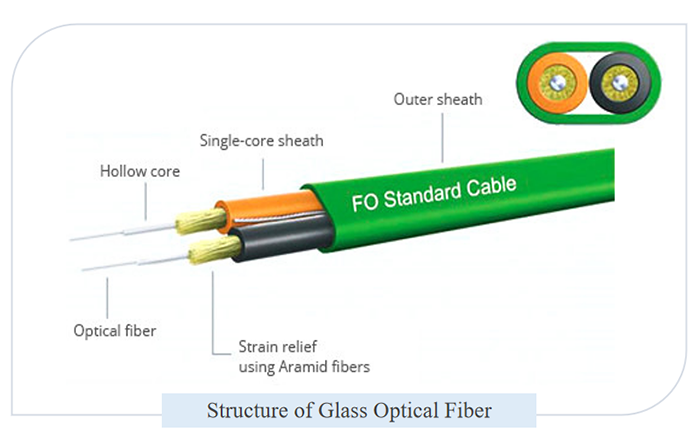
SFP connectors are compact, hot-swappable devices that interface network equipment like switches and routers to fiber optic or copper cables. They are essential in high-speed networking environments, such as data centers, where they facilitate the transmission of data over various distances and mediums. The flexibility to switch between different types of cables and the ease of installation make SFP connectors a popular choice among network professionals.
Table of Contents
ToggleTypes of SFP Connectors
To understand the universality of SFP connectors, it’s crucial to know the different types available:
- SFP (1 Gbps): These are standard SFP connectors that support data rates up to 1 Gbps. They are suitable for applications that do not require extremely high bandwidth.
- SFP+ (10 Gbps): An enhanced version of the SFP, SFP+ connectors support data rates up to 10 Gbps. They are commonly used in modern data centers and enterprise networks where higher speed is essential.
- SFP28 (25 Gbps): Designed for even higher speeds, SFP28 connectors support data rates up to 25 Gbps. They are ideal for large-scale data transfer and high-performance computing applications.
- QSFP+ (40 Gbps) and QSFP28 (100 Gbps): These connectors are used in applications requiring extremely high data rates, such as large-scale data centers and high-performance networks.
Compatibility and Interoperability
One of the main concerns with SFP connectors is compatibility. While the physical form factor of SFP connectors is standardized, ensuring a universal fit across different devices, the real challenge lies in interoperability. Different manufacturers may implement proprietary technologies or firmware, which can affect the compatibility of SFP connectors with devices from other vendors.
For instance, an SFP module from Vendor A might physically fit into a switch from Vendor B, but it might not function correctly due to firmware mismatches or proprietary features. Therefore, when planning to use SFP connectors, it’s essential to verify compatibility with the network equipment to avoid connectivity issues.
Best Practices for Ensuring Compatibility
To ensure smooth operation and compatibility of SFP connectors, consider the following best practices:
- Vendor Certification: Use SFP modules that are certified by the equipment manufacturer. Many vendors provide a list of compatible SFP modules tested and validated to work with their devices.
- Firmware Updates: Regularly update the firmware of network devices to the latest version. This can enhance compatibility and fix any known issues with SFP modules.
- Standard Compliance: Opt for SFP modules that adhere to industry standards, such as those defined by the Multi-Source Agreement (MSA). These standards ensure a basic level of compatibility across different vendors.
- Testing: Before deploying SFP modules in a production environment, conduct thorough testing to ensure they work seamlessly with the network equipment.
The Role of Multi-Vendor Environments
In multi-vendor environments, where network equipment from different manufacturers is used, the universality of SFP connectors becomes even more critical. Network administrators must navigate the complexities of interoperability to ensure seamless communication between devices. This often involves working with third-party SFP modules that claim compatibility with multiple vendors. While this approach can be cost-effective, it’s essential to verify the claims through rigorous testing and validation.
Challenges in Achieving Universality
Achieving true universality with SFP connectors is challenging due to several factors:
Proprietary Technologies: Many network equipment manufacturers use proprietary technologies in their SFP modules to enhance performance or add unique features. This can limit compatibility with other vendors’ equipment.
Firmware Differences: Firmware discrepancies between SFP modules and network devices can lead to compatibility issues. Even if the hardware is compatible, firmware mismatches can cause the SFP module to malfunction or not be recognized by the device.
Performance Variations: Different manufacturers may produce SFP modules with varying performance characteristics. While they may be physically compatible, performance differences can impact network stability and speed.
Navigating Compatibility Issues
To navigate these compatibility issues, network professionals can adopt several strategies:
Use of Universal Transceivers: Some vendors offer universal transceivers designed to work with multiple brands and models of network equipment. These transceivers undergo rigorous testing to ensure broad compatibility.
Interoperability Testing: Conducting interoperability testing in a controlled environment can help identify and resolve compatibility issues before deployment. This involves testing SFP modules with all intended network devices to ensure seamless operation.
Vendor Support: Leveraging vendor support can be invaluable in resolving compatibility issues. Most manufacturers offer technical support and resources to help network professionals select compatible SFP modules and troubleshoot any problems.
The Future of SFP Connectors
As technology continues to evolve, the future of SFP connectors looks promising. With the advent of higher-speed networks and the growing demand for efficient data transfer, the industry is likely to see more standardized and interoperable solutions. Innovations in SFP technology, such as the development of SFP-DD (Double Density) and other advanced modules, aim to provide higher data rates while maintaining compatibility with existing infrastructure.
Conclusion
While SFP connectors are not entirely universal, understanding their types, compatibility issues, and best practices can help network professionals make informed decisions. By following vendor recommendations, conducting thorough testing, and staying updated with the latest industry standards, it’s possible to achieve a high level of interoperability and performance in any networking environment.
In conclusion, the universality of SFP connectors is a nuanced topic. While the physical form factor is standardized, ensuring broad compatibility across devices, the challenges of proprietary technologies and firmware differences must be carefully managed. By adopting best practices and leveraging vendor support, network professionals can navigate these challenges and optimize their network’s performance and reliability. As the industry continues to innovate, the future promises even more versatile and universally compatible solutions, paving the way for faster and more efficient networks.
Related Article:
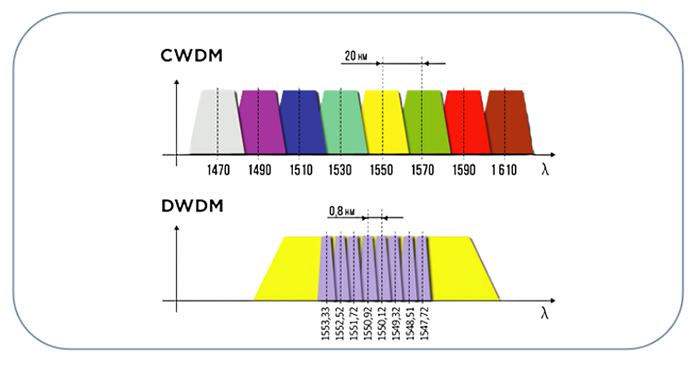
SFP-CWGE27-80C 1.25G CWDM SFP 1270nm 80km LC SMF DDM Transceiver Module
TRENDnet TEG-MGBS10 Compatible 1000Base LX SFP 1310nm 10km LC SMF DDM Transceiver Module
SFP-GE35-2BX20 1000Base 2 Channels BX BIDI CSFP TX1310nm-RX1550nm 20km LC SMF DDM Transceiver Module
SFP-GE55-ZX 1000Base SFP ZX 1550nm 80km LC SMF DDM Transceiver Module
SFP-DWGE17-120C 1.25G DWDM SFP C17 100GHz 1563.86nm 120km LC SMF DDM Transceiver Module