High speed cableand active optical cableare commonly used short-distance interconnection products in data center and enterprise computer room, but they have their own advantages and disadvantages. In this article, Walsun will show you how to choose high-speed cable and active optical cable in data center computer room and how to compare their advantages?
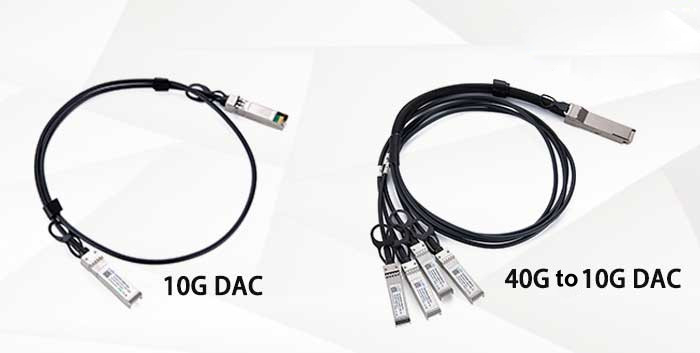
First of all, let’s talk about DAC high-speed cable. Its advantages are mainly reflected in the cost. DAC high-speed cable can be said to be the lowest interconnection solution with high speed and short distance cost. However, it also has some disadvantages, its transmission medium is copper cable, the transmission signal is electrical signal, and copper cable may be subject to electromagnetic interference in the process of transmission, so high-speed cable must have anti electromagnetic interference in the design.
Direct attach cable(DAC) has another disadvantage compared with active optical cable (AOC), which is its large volume and weight. If it is used in intensive data center, it will occupy more space.
At present, high-speed cable DACs can be divided into 10G, 25G, 50G, 100G, 200G direct copper cablesaccording to the speed. In addition, branch copper cables have emerged to meet different interconnection requirements, such as 40G to 4x10G, 50G to 2x25G cables, etc.
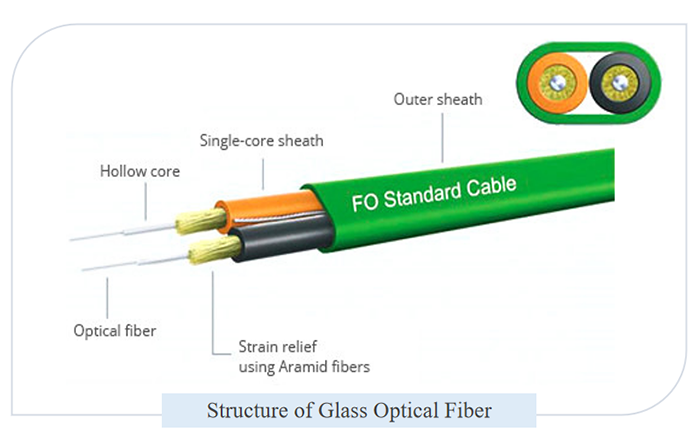
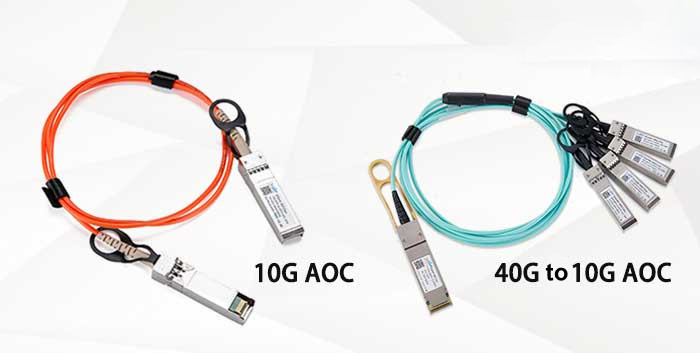
AOC active optical cable has more advantages than DAC, but its cost is higher than DAC. Its high cost is mainly reflected in the optical transceiver and transmission cable at both ends. AOC active optical cable adopts optical signal transmission, so there are photoelectric conversion chips and optical devices in the transceiver. In addition, optical fiber transmission has better stability and lower transmission delay than copper cable transmission, The transmission distance is also longer.
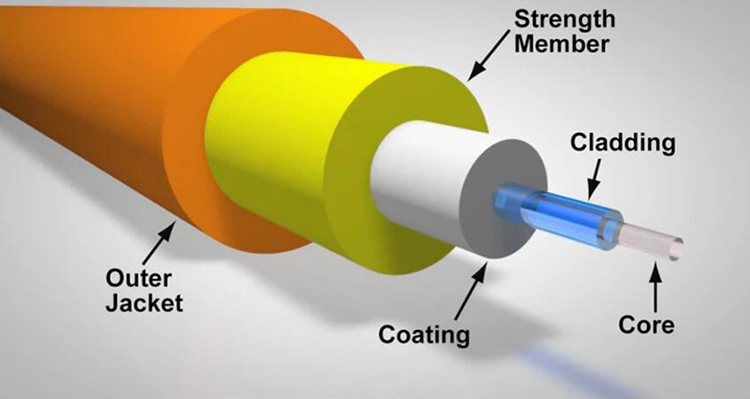
AOC active optical cable is small in size and light in weight. It can be used in data centers with high wiring density. However, we should not bend the optical cable excessively in the process of using it, because it is easy to break the small core.
AOC active optical cables can be divided into 10G, 25G, 50G, 100G, 200G and other active optical cables according to the speed. In addition, in order to meet different interconnection requirements, there are branch active optical cables, such as 40G to 4*10G, 50G to 2*25G and so on.
In short, both DAC and AOC have their own advantages and disadvantages. The above products can be supplied byWalsun, and users can choose the wiring according to their own needs.
Related Article:
How to Choose and Apply 16G CWDM SFP+ Optical Modules
What Are the Different 10G Network Cabling Solutions Available
What Are the Differences Between 25G SFP28 SR and 25G SFP28 LR
How to Apply 16G SFP+ FC Optical Fiber Modules in Fibre Channel Switches
How to Use 25G SFP28 Optical Modules in 5G Fronthaul