In the fast-paced world of networking, businesses and individuals alike are constantly seeking ways to enhance their connectivity solutions. Among the various networking technologies available, Small Form-factor Pluggable (SFP) modules and Ethernet have emerged as essential components. But what happens when you need to bridge the gap between these two technologies? Can you convert SFP to Ethernet seamlessly? The answer is a resounding yes, and this article delves into the fascinating world of SFP to Ethernet conversion, exploring its benefits, applications, and the best methods to achieve a smooth transition.
Understanding SFP and Ethernet
Before diving into the conversion process, it’s crucial to understand what SFP and Ethernet are and how they function within a network.
Table of Contents
ToggleSFP Modules:
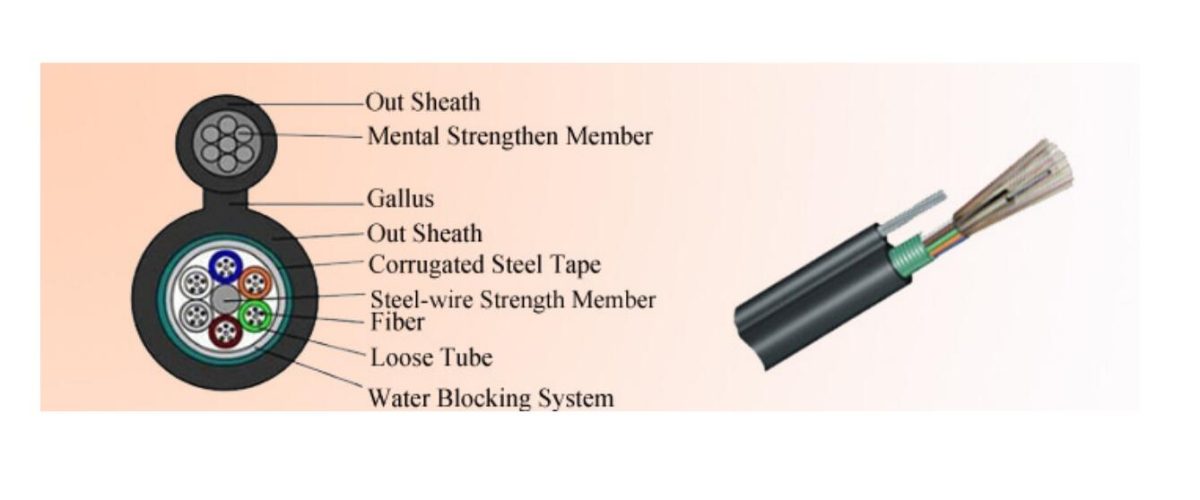
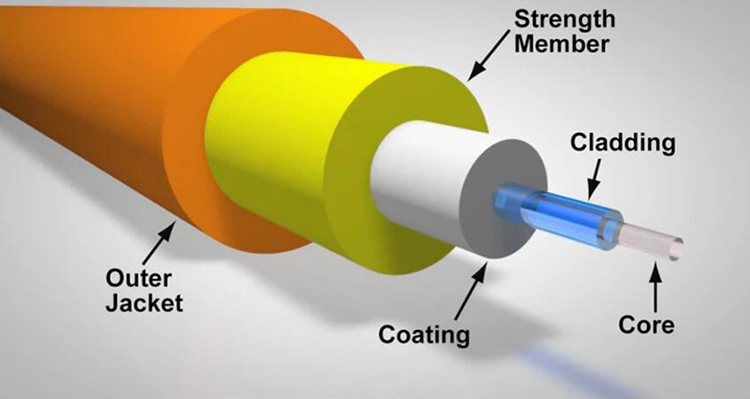
SFP modules, also known as Mini-GBIC (Gigabit Interface Converter), are compact, hot-swappable devices used primarily for network communications. These modules can support various networking standards, including Gigabit Ethernet, Fibre Channel, and SONET. One of the significant advantages of SFP modules is their versatility, as they can be used with both copper and fiber optic cables. This flexibility makes SFP modules an attractive option for many network environments, from data centers to enterprise networks.
Ethernet:
Ethernet, on the other hand, is a well-established networking technology that uses a system of interconnected devices to facilitate communication. It operates using twisted pair or fiber optic cables and is the backbone of most local area networks (LANs). Ethernet’s widespread adoption is due to its reliability, ease of use, and cost-effectiveness. Whether in homes, offices, or industrial settings, Ethernet remains a cornerstone of modern networking.
Why Convert SFP to Ethernet?
There are several scenarios where converting SFP to Ethernet becomes necessary. Understanding these use cases can help you determine when and why such a conversion would be beneficial.
1. Upgrading Network Infrastructure:
As organizations upgrade their network infrastructure to support higher speeds and greater bandwidth, they often encounter legacy equipment that still relies on Ethernet connections. By converting SFP to Ethernet, businesses can leverage their existing investments in Ethernet technology while seamlessly integrating newer SFP-based equipment.
2. Expanding Network Reach:
SFP modules are capable of supporting long-distance data transmission, making them ideal for connecting geographically dispersed networks. By converting SFP to Ethernet, network administrators can extend the reach of their networks without compromising on performance.
3. Enhancing Network Flexibility:
In dynamic networking environments, the ability to switch between different types of connections is crucial. Converting SFP to Ethernet provides the flexibility needed to adapt to changing network requirements, whether it’s for temporary setups, testing, or permanent installations.
Methods of Converting SFP to Ethernet
There are several methods available to convert SFP to Ethernet, each with its own advantages and limitations. Understanding these methods will help you choose the best approach for your specific networking needs.
1. SFP Media Converters:
SFP media converters are specialized devices designed to bridge the gap between SFP and Ethernet connections. These converters typically feature one or more SFP slots and Ethernet ports, allowing you to plug in SFP modules and convert the signals to Ethernet. SFP media converters are user-friendly, plug-and-play devices that require minimal configuration, making them an excellent choice for quick and straightforward conversions.
2. SFP to Ethernet Transceivers:
Another popular method involves using SFP to Ethernet transceivers. These compact devices plug directly into SFP slots and provide an Ethernet interface. SFP to Ethernet transceivers are highly efficient and can be used in a variety of networking equipment, including switches, routers, and network interface cards (NICs). Their small form factor and compatibility with existing SFP slots make them a versatile option for many networking scenarios.
3. Network Switches with SFP Ports:
Many modern network switches come equipped with both SFP and Ethernet ports, offering built-in conversion capabilities. By using these switches, you can directly connect SFP modules to Ethernet devices without the need for additional converters or transceivers. This method provides a seamless and integrated solution for converting SFP to Ethernet, making it ideal for large-scale network deployments.
Benefits of SFP to Ethernet Conversion
The benefits of converting SFP to Ethernet extend beyond mere compatibility. This conversion brings a host of advantages that can significantly enhance your network’s performance and reliability.
1. Cost-Effectiveness:
By converting SFP to Ethernet, you can extend the life of your existing Ethernet-based equipment while incorporating advanced SFP technology. This approach minimizes the need for costly infrastructure upgrades, allowing you to achieve high-speed connectivity without breaking the bank.
2. Simplified Network Management:
Using SFP to Ethernet converters or transceivers simplifies network management by reducing the complexity of your network architecture. With fewer devices to manage and maintain, network administrators can focus on optimizing performance and addressing critical issues more efficiently.
3. Improved Scalability:
Converting SFP to Ethernet enhances your network’s scalability by enabling seamless integration of new devices and technologies. As your network grows, you can easily add SFP-based equipment without disrupting existing Ethernet connections, ensuring a smooth and scalable expansion.
4. Enhanced Performance:
SFP modules are known for their high-speed capabilities and low latency. By converting SFP to Ethernet, you can leverage these performance benefits to achieve faster data transfer rates and improved network responsiveness. This is particularly advantageous for bandwidth-intensive applications such as video streaming, online gaming, and cloud computing.
Practical Applications of SFP to Ethernet Conversion
To illustrate the practical applications of SFP to Ethernet conversion, consider the following real-world scenarios where this technology can make a significant impact.
1. Data Centers:
In data centers, where high-speed data transmission and reliable connectivity are paramount, converting SFP to Ethernet can streamline operations and enhance performance. By using SFP to Ethernet transceivers or media converters, data centers can seamlessly integrate SFP-based servers, storage devices, and switches into their existing Ethernet infrastructure.
2. Enterprise Networks:
For large enterprises with complex networking requirements, SFP to Ethernet conversion offers a cost-effective solution for upgrading and expanding network capabilities. Businesses can leverage their existing Ethernet infrastructure while incorporating advanced SFP technology to support high-speed connections between office locations, remote sites, and branch offices.
3. Telecommunications:
In the telecommunications industry, where long-distance data transmission is essential, converting SFP to Ethernet enables service providers to extend their network reach without compromising on performance. By utilizing SFP modules for long-haul connections and converting to Ethernet at endpoint locations, telecom companies can deliver high-speed internet and data services to a broader customer base.
4. Industrial Automation:
In industrial environments, reliable and robust networking solutions are critical for maintaining smooth operations. Converting SFP to Ethernet provides a versatile and durable solution for connecting various industrial devices and systems. From factory automation to remote monitoring and control, this conversion ensures seamless communication and data exchange in demanding industrial settings.
Choosing the Right SFP to Ethernet Solution
When selecting the best SFP to Ethernet solution for your network, consider the following factors to ensure optimal performance and compatibility.
1. Compatibility:
Ensure that the SFP to Ethernet converter or transceiver you choose is compatible with your existing network equipment. Check for compatibility with your switches, routers, and other networking devices to avoid any connectivity issues.
2. Speed and Performance:
Consider the speed and performance requirements of your network applications. Choose SFP modules and Ethernet converters that support the necessary data transfer rates and low latency to meet your network’s demands.
3. Ease of Installation:
Opt for solutions that are easy to install and configure. Plug-and-play devices, such as SFP media converters, can save you time and effort during the installation process.
4. Scalability:
Select solutions that offer scalability to accommodate future network growth. Ensure that your chosen SFP to Ethernet conversion method allows for easy integration of additional devices and technologies as your network expands.
Conclusion
Converting SFP to Ethernet is a practical and efficient way to bridge the gap between advanced networking technologies and traditional Ethernet-based infrastructure. Whether you’re upgrading your network, expanding its reach, or enhancing its flexibility, SFP to Ethernet conversion offers a versatile and cost-effective solution. By understanding the methods, benefits, and applications of this conversion, you can make informed decisions to optimize your network’s performance and ensure seamless connectivity for years to come.
Frequently Asked Questions
Q:Can 1G SFP work with 10G SFP
A:Yes, technically, a 1G SFP can physically fit into a 10G SFP port, but it will not work as intended. The mismatch in data rates will likely result in communication errors, link instability, and degraded network performance. Mixing different SFP speeds can lead to potential issues such as data packet loss, increased latency, and network congestion.
To address these issues when mixing 1G and 10G SFPs, it is recommended to use media converters or rate-selectable SFP modules that can adapt to different speeds. These devices can help bridge the gap between different SFP speeds and ensure compatibility within the network.
From a current perspective, with the advancement of technology and the widespread adoption of higher network speeds, it is becoming increasingly important to maintain uniformity in SFP speeds to optimize network performance and reliability. Therefore, it is advisable to avoid mixing 1G and 10G SFPs whenever possible to prevent potential compatibility issues and ensure seamless network operation.
Q:Do Walsun appliances support direct attach cable (DAC)?
A:Yes, Walsun appliances support a passive DAC in release 10.5 and later.
Q:Which port must I insert the DAC into?
A:DAC is inserted into the 10G port on the appliance.
Q:Does the 1G port support a DAC?
A:No. The DAC might fit into a 1G port but is not supported.
Q:How can I order a DAC?
A:Contact your Walsun sales representative to order a DAC.
Q:Can I mix DAC and fiber transceivers on the same appliance?
A:Yes. You can mix DAC and fiber transceivers on the same appliance. Each 10G port supports both options.
Q:Can I mix SFP+ fiber and DAC in ports that are part of the same link aggregation channel?
A:No. There must be symmetry between all elements in the same link aggregation channel.
Q:Which transceivers use the MPO type connector?
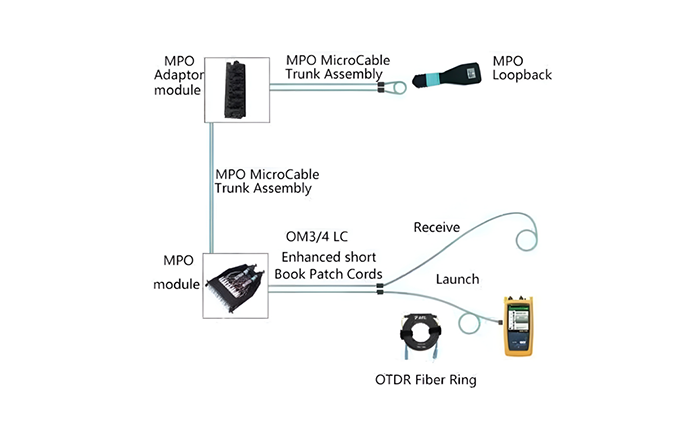
A:Only 40G QSFP+ SR4 transceiver and 100G QSFP28 SR4 transceivers use the MPO type connector. All other fiber transceivers use the LC type connector.
Q:Are special adapters required for 25G, 50G, and 100G ports?
A 100G port can support five speeds: 10G, 25G, 40G, 50G, and 100G. 1G speed is not supported on the 100G port. 50G and 100G ports use the same transceiver. The appliance determines the speed, and not the port.
Only 50G/100G (QSFP28) and 40G (QSFP+) transceivers can be directly used on a QSFP28 interface. Use a QSA28 adapter on a QSFP28 interface to use 10G (SFP+) and 25G (SFP28) transceivers.