In the ever-evolving world of networking, the small form-factor pluggable (SFP) cable is a vital component, essential for facilitating high-speed data transmission across networks. Yet, a common misconception persists: Are all SFP cables the same? The short answer is no. SFP cables come in various types and specifications, each designed for specific applications and environments. Understanding these differences is crucial for optimizing your network’s performance and reliability.
Table of Contents
ToggleUnderstanding SFP Cables
SFP cables, also known as SFP transceivers, are hot-swappable, compact modules used in data communication and telecommunication networks. They connect switches, routers, and other networking devices, supporting various data rates and transmission distances. The primary categories of SFP cables include SFP, SFP+, and QSFP, with each type catering to different data rate requirements.
Types of SFP Cables
SFP (1G): Standard SFP transceivers support data rates up to 1 Gbps. They are widely used for short-distance and long-distance communication, available in both single-mode (SMF) and multi-mode fiber (MMF) options.
SFP+ (10G): An enhanced version of SFP, SFP+ supports data rates up to 10 Gbps. It is ideal for high-speed networks and data centers, providing superior performance with reduced latency.
QSFP (40G/100G): Quad Small Form-factor Pluggable (QSFP) transceivers offer significantly higher data rates, ranging from 40 Gbps to 100 Gbps. They are used in high-performance computing (HPC) environments and large-scale data centers.
Connector Types and Compatibility
Another aspect that differentiates SFP cables is the type of connectors they use. The most common connectors include LC, SC, and MPO. Compatibility is a critical factor; mismatched connectors can lead to signal loss or damage to the components.
LC Connectors: Typically used with single-mode fiber, LC connectors are known for their small size and high performance.
SC Connectors: Often found in older networks, SC connectors are larger and used primarily with multi-mode fiber.
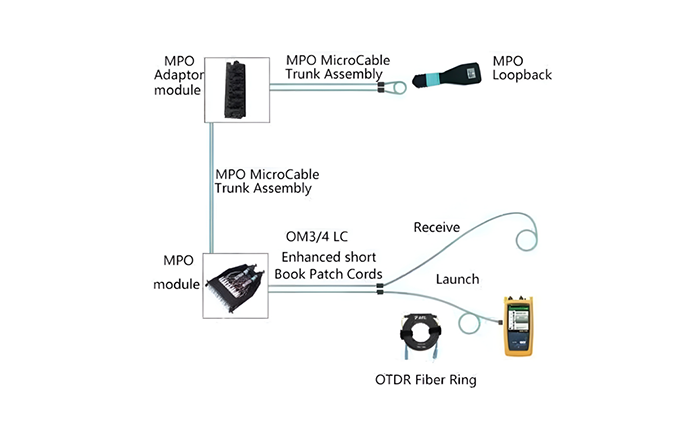
MPO Connectors: These are used in high-density networks, supporting multiple fibers in a single connector.
Transmission Distance and Cable Types
SFP cables are also distinguished by their transmission distance capabilities and the type of fiber they use:
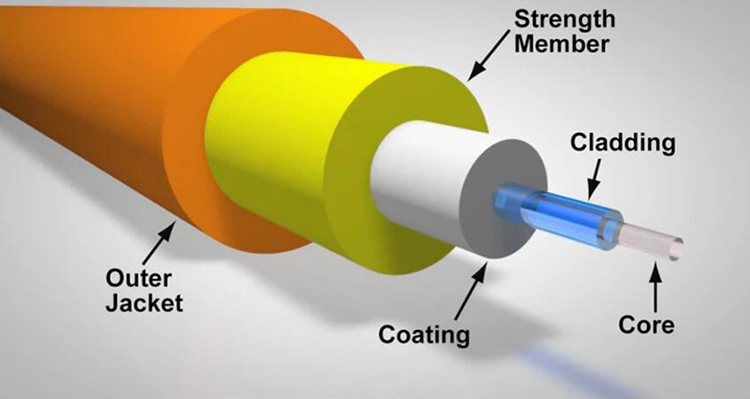
Single-Mode Fiber (SMF): SMF SFPs are designed for long-distance communication, often reaching up to 100 km. They are ideal for wide area networks (WAN) and large-scale data centers.
Multi-Mode Fiber (MMF): MMF SFPs are suited for short-distance communication, typically up to 550 meters. They are commonly used within data centers and campus networks.
Copper vs. Fiber SFPs
SFP transceivers can be divided into two main categories based on the medium they use for data transmission: copper and fiber. Copper SFPs are used for shorter distances and lower data rates, while fiber SFPs are preferred for longer distances and higher data rates. Each type has its own advantages and limitations:
Copper SFPs: These are typically used for distances up to 100 meters, offering a cost-effective solution for connecting devices within a data center or office environment.
Fiber SFPs: Available in both single-mode and multi-mode options, fiber SFPs provide greater flexibility and longer reach, albeit at a higher cost.
Conclusion
In conclusion, while SFP cables may look similar at first glance, they are far from being the same. Various types and specifications cater to different networking needs, making it essential to choose the right SFP cable for your specific application. In the next part, we will delve deeper into the specific use cases, the importance of quality, and how to select the right SFP cable for your network.
As we continue exploring the world of SFP cables, it’s essential to understand the specific use cases and the importance of selecting the right cable for your network needs. Not all SFP cables are created equal, and choosing the wrong type can lead to performance issues, increased costs, and network downtime.
Use Cases for Different SFP Types
Data Centers: In data centers, high-speed data transfer and low latency are paramount. SFP+ and QSFP transceivers are commonly used due to their higher data rates and reliability. For instance, QSFP28 can support up to 100 Gbps, making it ideal for large-scale data centers requiring fast and efficient data handling.
Enterprise Networks: For enterprise networks, SFP and SFP+ transceivers are often sufficient. They provide the necessary bandwidth and flexibility for typical business operations, such as video conferencing, cloud computing, and large file transfers.
Telecommunication Networks: Long-distance data transmission is a key requirement for telecommunication networks. Single-mode fiber SFPs, with their ability to cover vast distances, are the preferred choice. They ensure stable and efficient communication over long haul networks.
The Importance of Quality
When it comes to SFP cables, quality cannot be overstated. High-quality SFP transceivers ensure optimal performance, longevity, and reliability of your network. Here’s why investing in quality SFP cables is crucial:
Performance: High-quality SFPs provide superior signal integrity and data transmission speeds, reducing the likelihood of errors and data loss.
Reliability: Quality transceivers are more reliable, minimizing the risk of network failures and downtime. They are built to withstand various environmental conditions and rigorous use.
Compatibility: High-quality SFPs from reputable manufacturers are typically tested for compatibility with a wide range of networking equipment, ensuring seamless integration and operation.
How to Select the Right SFP Cable
Choosing the right SFP cable involves several key considerations. Here are some steps to help you make an informed decision:
Identify Your Needs: Determine the data rate, distance, and application requirements of your network. This will help you narrow down the types of SFP transceivers suitable for your needs.
Check Compatibility: Ensure the SFP transceiver is compatible with your networking equipment. Refer to the manufacturer’s compatibility list or consult with a network specialist.
Consider the Environment: Take into account the environmental conditions where the SFP cable will be used. For instance, in industrial settings, you may need transceivers that can withstand higher temperatures and more rugged conditions.
Evaluate the Budget: While it’s important to consider cost, don’t compromise on quality. Investing in high-quality SFP cables can save you from future headaches and additional expenses due to network issues.
Trends and Innovations in SFP Technology
The world of SFP cables is continually evolving with advancements in technology. Some of the latest trends and innovations include:
Higher Data Rates: The demand for faster data transmission has led to the development of SFP56, which supports up to 56 Gbps. This allows for even higher performance in data centers and enterprise networks.
Compact Form Factors: Newer SFP designs are becoming more compact, allowing for higher port density and improved space utilization in network equipment.
Enhanced Power Efficiency: Innovations in SFP technology are also focusing on reducing power consumption, making networks more energy-efficient and cost-effective.
Conclusion
Not all SFP cables are the same, and understanding their differences is crucial for optimizing network performance and reliability. From various types and specifications to specific use cases and the importance of quality, this guide has covered the essential aspects of SFP cables. By carefully selecting the right SFP transceiver for your network needs, you can ensure efficient, reliable, and high-speed data communication. As technology continues to advance, staying informed about the latest trends and innovations in SFP technology will help you keep your network infrastructure up-to-date and future-proof.