Explore the compatibility between SFP and Ethernet in this engaging and informative article. Learn about the differences, potential connections, and practical applications of these technologies.
SFP, Ethernet, network connectivity, fiber optics, data transmission, network infrastructure, SFP module, Ethernet cable, network performance, IT solutions
When diving into the world of networking, you might come across terms like SFP (Small Form-factor Pluggable) and Ethernet. These technologies play pivotal roles in network infrastructure, but their relationship can be a bit confusing. Can you plug an SFP into an Ethernet port? To answer this question, we need to understand the basics of both SFP and Ethernet, their functionalities, and how they interact.
Table of Contents
ToggleUnderstanding Ethernet: The Backbone of Networking
Ethernet is the most common method of networking in both homes and businesses. It’s a technology that connects devices like computers, switches, and routers using physical cables. Ethernet cables, typically Cat5e, Cat6, or Cat7, consist of twisted pairs of copper wires that transmit data using electrical signals. Ethernet is known for its reliability, ease of use, and relatively low cost.
Ethernet ports are ubiquitous on network devices. These ports allow for the direct connection of Ethernet cables, facilitating communication between devices within a local area network (LAN). Ethernet’s popularity stems from its ability to provide fast, stable, and secure connections, making it the backbone of most modern networks.
Introducing SFP: Versatile and High-Performance
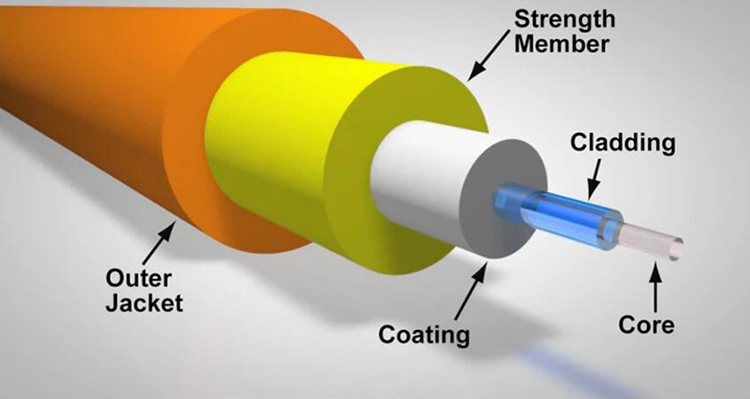
The Small Form-factor Pluggable (SFP) module is a compact, hot-swappable device used for both data and telecommunication applications. Unlike Ethernet, which relies on copper cables, SFP modules often use fiber optic cables to transmit data over longer distances at higher speeds. SFP modules come in various types, including SFP+ for higher speeds and SFP28 for even faster performance.
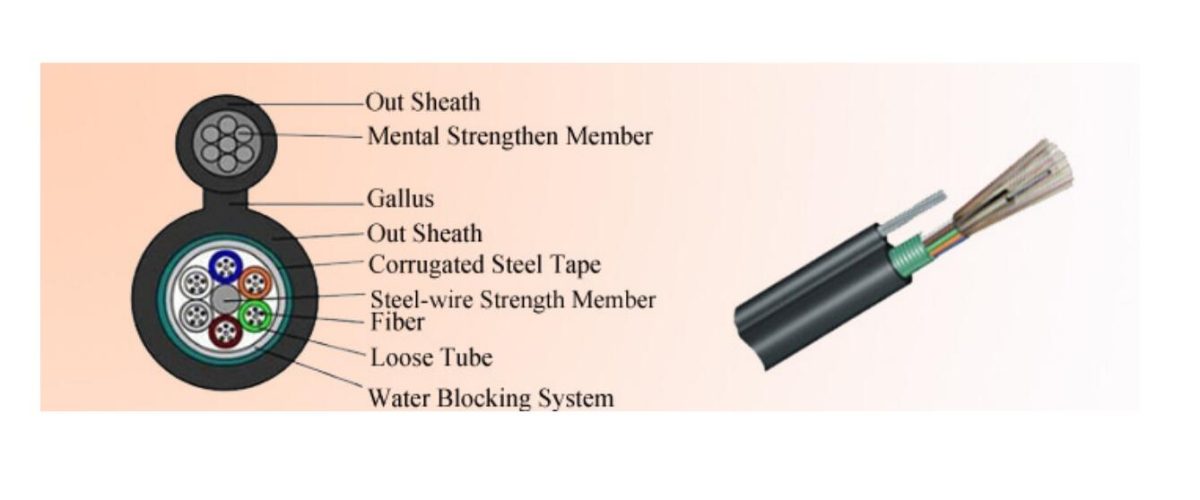
SFP modules are plugged into SFP ports on network devices like switches and routers. These ports are designed to accommodate the small size and unique connectors of SFP modules. The use of fiber optics in SFP modules allows for reduced electromagnetic interference and longer transmission distances compared to traditional copper Ethernet cables.
The Compatibility Question: SFP and Ethernet Ports
Given the distinct nature of SFP modules and Ethernet ports, a common question arises: Can you plug an SFP module into an Ethernet port? The short answer is no. Ethernet ports are specifically designed for Ethernet cables and connectors, while SFP ports are built to accommodate SFP modules. The physical and technological differences between these interfaces mean they are not directly compatible.
However, this doesn’t mean SFP and Ethernet can’t coexist or work together within the same network. In fact, they often do, thanks to devices and technologies that bridge the gap between them.
Bridging the Gap: SFP to Ethernet Converters
One practical solution for integrating SFP modules into an Ethernet network is the use of media converters. These devices convert signals from SFP modules to Ethernet and vice versa. A typical media converter will have an SFP port on one side and an Ethernet port on the other, allowing for seamless communication between the two types of networks.
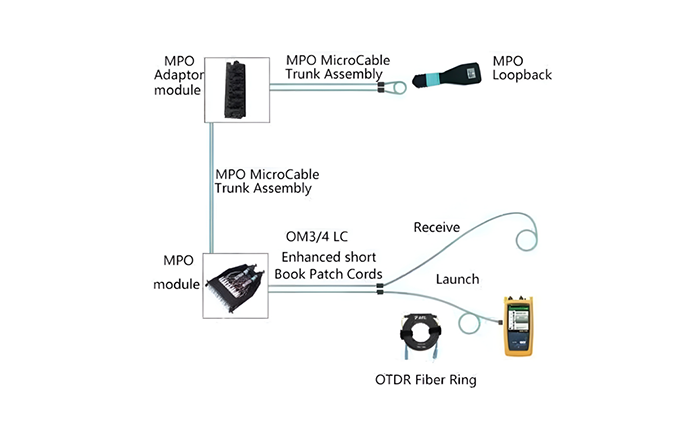
Media converters are particularly useful in scenarios where you need to extend your network over long distances or when connecting different types of network infrastructure. For example, in a large office building or campus, you might use fiber optic cables and SFP modules to connect different floors or buildings, then use media converters to interface with standard Ethernet equipment within each floor or building.
Practical Applications of SFP and Ethernet Integration
The integration of SFP modules and Ethernet networks offers numerous practical applications, especially in enterprise environments where network performance and reliability are critical. Here are some examples:
Data Centers: Data centers often rely on a mix of Ethernet and fiber optic connections to handle vast amounts of data traffic. SFP modules enable high-speed, long-distance connections between servers, switches, and storage systems. Media converters or switches with both SFP and Ethernet ports can seamlessly integrate these different network segments.
Campus Networks: Universities, business parks, and large office complexes can benefit from the extended reach of fiber optics. Using SFP modules to connect distant buildings and media converters to interface with local Ethernet networks ensures robust and efficient communication across the entire campus.
Telecommunications: Telecom providers use SFP modules to manage high-bandwidth connections over long distances. Integrating these with local Ethernet networks helps deliver high-speed internet and communication services to end users.
Industrial Environments: Factories and industrial sites often require reliable and interference-free network connections. SFP modules’ use of fiber optics makes them ideal for such environments, where electromagnetic interference from machinery can disrupt copper Ethernet cables. Media converters facilitate the connection between rugged industrial Ethernet devices and fiber optic networks.
Choosing the Right Equipment
When considering the integration of SFP modules and Ethernet networks, it’s essential to choose the right equipment for your specific needs. Here are some factors to consider:
Network Speed Requirements: Determine the speed requirements of your network. SFP modules come in different speeds, such as 1 Gbps (Gigabit) and 10 Gbps (SFP+). Ensure that the media converters or switches you use can handle the desired speed.
Distance: Consider the distance over which you need to transmit data. Fiber optics used in SFP modules can handle longer distances than copper Ethernet cables. Choose the appropriate type of SFP module (single-mode or multi-mode) based on your distance requirements.
Compatibility: Ensure that the media converters or switches you select are compatible with both your SFP modules and Ethernet devices. Check for features like auto-negotiation and duplex settings to ensure seamless integration.
Environmental Conditions: In industrial or outdoor settings, choose equipment that can withstand harsh environmental conditions. Look for ruggedized media converters and SFP modules designed for such environments.
Future Trends in Networking
The landscape of networking is continuously evolving, with advancements in both Ethernet and SFP technologies. As networks grow more complex and the demand for higher speeds and longer distances increases, the integration of these technologies will become even more critical.
Emerging trends such as the adoption of 5G, the expansion of IoT (Internet of Things) devices, and the growth of cloud computing will drive the need for versatile and high-performance network solutions. SFP modules and Ethernet will play pivotal roles in meeting these demands, ensuring that data can be transmitted efficiently and reliably across diverse and dynamic network environments.
Conclusion: Harmonizing SFP and Ethernet
In conclusion, while you cannot directly plug an SFP module into an Ethernet port, the two technologies can work together harmoniously through the use of media converters and compatible network equipment. Understanding the strengths and limitations of each technology allows for the design of robust and efficient network infrastructures that leverage the best of both worlds. Whether in data centers, campus networks, telecommunications, or industrial settings, the integration of SFP and Ethernet will continue to be a cornerstone of modern networking solutions.