In the ever-evolving world of networking, staying ahead means understanding the nuances of different technologies and components. One question that often arises among network professionals and enthusiasts is, “Can I use SFP+ in SFP?” This seemingly simple query opens up a complex discussion about compatibility, performance, and the practicalities of integrating different types of transceiver modules within your network infrastructure.
To answer this question, it’s essential first to understand what SFP and SFP+ modules are and how they function within a network.
Understanding SFP and SFP+ Modules
SFP (Small Form-Factor Pluggable) and SFP+ (Enhanced Small Form-Factor Pluggable) are both types of transceiver modules used for network communications. These modules serve as the interface between network devices and the fiber optic or copper cables that transmit data. SFP modules typically support data rates up to 1 Gbps, making them suitable for standard Ethernet applications. On the other hand, SFP+ modules are designed to support higher data rates of up to 10 Gbps, catering to more demanding applications like data centers and high-performance computing environments.
Table of Contents
ToggleThe Key Differences Between SFP and SFP+
The primary difference between SFP and SFP+ modules lies in their data transmission capabilities. While SFP modules are limited to 1 Gbps, SFP+ modules can handle speeds up to 10 Gbps. This difference is crucial when planning network upgrades or expansions, as it affects both performance and future scalability.
Another notable distinction is the protocol support. SFP modules are generally used for Gigabit Ethernet applications, whereas SFP+ modules can support not only 10 Gigabit Ethernet but also other protocols like Fibre Channel and SONET/SDH. This versatility makes SFP+ a more attractive option for high-speed network environments.
Can SFP+ Modules Be Used in SFP Ports?
The short answer to this question is, in most cases, yes. SFP+ modules are backward compatible with SFP ports. This means you can physically insert an SFP+ module into an SFP port, and it will fit without issue. However, this does not guarantee that the module will function as intended. The primary limitation here is that the SFP port is designed for 1 Gbps data rates. Even though the SFP+ module can support up to 10 Gbps, it will only operate at the lower speed of 1 Gbps when used in an SFP port.
Considerations for Using SFP+ in SFP Ports
While the physical compatibility between SFP+ and SFP ports is a significant advantage, several factors need to be considered to ensure optimal performance:
- Network Speed Requirements: If your network requires speeds higher than 1 Gbps, using an SFP+ module in an SFP port will not meet your needs. Ensure that the chosen transceiver module aligns with your network’s performance requirements.
- Power Consumption: SFP+ modules typically consume more power than SFP modules. When using SFP+ in an SFP port, check the power budget of your network equipment to avoid potential issues.
- Temperature and Cooling: SFP+ modules may generate more heat compared to SFP modules. Adequate cooling and ventilation are necessary to maintain stable operation and avoid overheating.
- Protocol Compatibility: Ensure that the SFP+ module’s supported protocols are compatible with the SFP port’s capabilities. In some cases, specific protocols might not be supported when using an SFP+ module in an SFP port.
Understanding these factors is critical for network engineers and IT professionals looking to optimize their infrastructure. By carefully evaluating the compatibility and performance implications, you can make informed decisions that enhance your network’s efficiency and reliability.
While the backward compatibility of SFP+ modules in SFP ports offers flexibility, it also raises questions about the practicality and long-term benefits of such configurations. In this second part, we will delve deeper into scenarios where using SFP+ in SFP ports makes sense and explore alternative solutions for achieving optimal network performance.
Scenarios for Using SFP+ in SFP Ports
Gradual Network Upgrades: One of the most common scenarios where using SFP+ modules in SFP ports is advantageous is during gradual network upgrades. If your current infrastructure predominantly uses SFP ports, but you plan to transition to higher-speed networking gradually, investing in SFP+ modules can be a cost-effective solution. This approach allows you to use the existing ports while preparing for future upgrades to 10 Gbps equipment.
Cost Management: Budget constraints often play a significant role in network planning. SFP+ modules tend to be more expensive than SFP modules. By using SFP+ in SFP ports, organizations can phase out the cost over time rather than making a large, upfront investment in new hardware.
Interim Solutions: In situations where immediate network performance enhancements are needed, but new hardware is not yet available, using SFP+ modules in SFP ports can serve as an interim solution. This approach provides the flexibility to maintain network operations without significant downtime.
Challenges and Alternatives
Despite the benefits, there are challenges associated with using SFP+ in SFP ports that need to be addressed:
Performance Bottlenecks: As mentioned earlier, an SFP+ module in an SFP port will operate at a maximum of 1 Gbps. This limitation can create performance bottlenecks, especially in high-demand network environments. For applications requiring consistent high-speed data transfer, it may be more practical to invest in dedicated 10 Gbps equipment.
Complex Network Management: Managing a mix of SFP and SFP+ modules can complicate network administration. Ensuring compatibility, monitoring power consumption, and maintaining optimal temperatures add layers of complexity to network management tasks.
Future-Proofing: While using SFP+ in SFP ports offers immediate flexibility, it may not be the best long-term strategy. As network demands continue to grow, relying on backward compatibility could hinder scalability and limit the network’s ability to adapt to future technologies.
Exploring Alternative Solutions
For organizations seeking to balance flexibility with performance, several alternative solutions are worth considering:
Hybrid Network Devices: Some network devices come with both SFP and SFP+ ports, providing the flexibility to use either type of module as needed. Investing in such devices can simplify network management and offer a smoother transition to higher speeds.
Modular Switches: Modular switches allow for the addition of new modules as network demands change. This approach enables organizations to start with SFP modules and gradually integrate SFP+ modules without the need for complete hardware replacement.
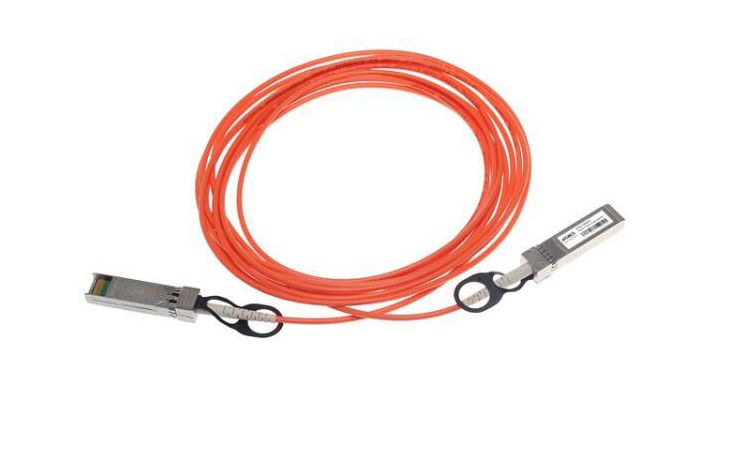
Direct Attach Cables (DACs): For short-distance connections, DACs offer a cost-effective solution. These cables come with integrated transceivers and can support both SFP and SFP+ connections, simplifying cabling and reducing latency.
Conclusion: Making Informed Decisions
In the complex landscape of networking, understanding the nuances of different components is crucial for making informed decisions. While SFP+ modules can be used in SFP ports, the decision should be based on a thorough assessment of your network’s current and future needs. By considering factors like network speed requirements, power consumption, and overall scalability, you can ensure that your network infrastructure remains robust, efficient, and adaptable to future technological advancements.
Ultimately, whether you’re planning a gradual upgrade, managing costs, or seeking interim solutions, the key is to stay informed and flexible. By leveraging the compatibility and versatility of SFP+ modules while keeping an eye on emerging trends and technologies, you can navigate the ever-changing world of networking with confidence and foresight.