The rapid evolution of networking technologies often leaves IT professionals and enthusiasts grappling with compatibility questions. One such query that frequently arises is whether SFP (Small Form-factor Pluggable) and SFP+ (Enhanced Small Form-factor Pluggable) modules can work together. This article delves into the intricacies of these transceivers, shedding light on their compatibility and what it means for modern networking solutions.
Understanding SFP and SFP+:
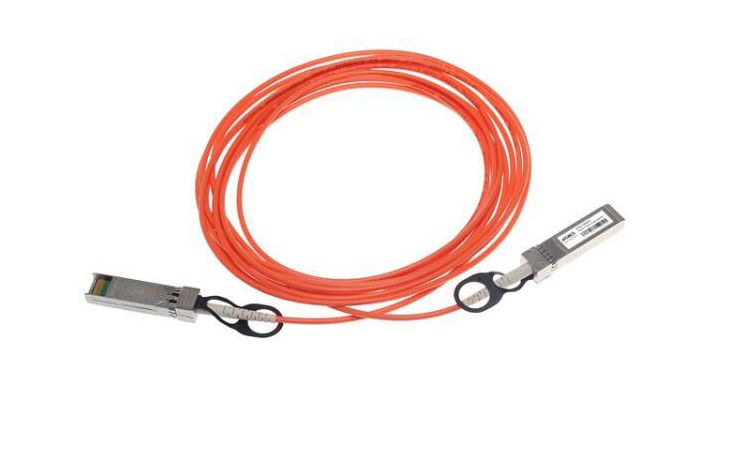
Before diving into compatibility, it’s crucial to understand what SFP and SFP+ modules are and their respective roles in networking. SFP modules, widely used in data centers and networking equipment, are transceivers that support data rates up to 4.25 Gbps. They are versatile, accommodating both single-mode and multi-mode fibers, and are used in various applications, from Gigabit Ethernet to Fibre Channel.
On the other hand, SFP+ modules are an enhanced version of SFP, designed to support higher data rates of up to 10 Gbps. SFP+ modules are backward compatible with SFP standards but with a crucial difference: they are primarily used for 10 Gigabit Ethernet and other high-speed data transfer applications. The enhanced performance of SFP+ is achieved through improved signal integrity and reduced power consumption, making them ideal for high-bandwidth networks.
The Compatibility Question:
The key question is whether these two types of transceivers can coexist in the same network environment. The answer is a resounding yes, but with certain caveats. SFP and SFP+ modules can work together, but it’s essential to understand the conditions under which this compatibility holds true.
When an SFP module is inserted into an SFP+ port, the port will operate at the lower SFP data rate (typically 1 Gbps). This backward compatibility is a significant advantage for network administrators looking to upgrade their infrastructure gradually. It allows for a seamless transition, where existing SFP modules can still be used even as the network migrates to higher-speed SFP+ modules.
Practical Implications:
Understanding the practical implications of this compatibility is vital for efficient network management. The ability to mix SFP and SFP+ modules can significantly reduce costs, as it eliminates the need for a complete overhaul of existing hardware. Network administrators can upgrade critical parts of their infrastructure while maintaining the functionality of older, yet perfectly viable, components.
However, it’s important to note that while an SFP+ port can accommodate an SFP module, the reverse is not true. SFP ports cannot support SFP+ modules due to the higher data rate requirements. Therefore, careful planning and inventory management are essential to ensure that the correct modules are used in the appropriate ports.
Moreover, when considering the deployment of these modules, one must also account for the specific network requirements. For instance, high-bandwidth applications such as data-intensive cloud services or high-definition video streaming would benefit more from SFP+ modules due to their superior performance. Conversely, for less demanding applications, SFP modules offer a cost-effective solution without compromising network reliability.
Optimizing Network Performance:
Integrating SFP and SFP+ modules requires a strategic approach to maximize network performance. Balancing the use of both types of transceivers can optimize bandwidth utilization and ensure that network resources are used efficiently. This balance is particularly important in environments with varied data transmission needs, such as university campuses, large enterprises, and data centers.
For instance, SFP modules can be deployed in less critical areas where data transmission speeds of up to 1 Gbps are sufficient. Meanwhile, SFP+ modules can be reserved for core network infrastructure, where higher speeds and enhanced performance are necessary. This selective deployment not only enhances overall network performance but also extends the lifespan of existing hardware investments.
Future-proofing Your Network:
One of the significant advantages of the compatibility between SFP and SFP+ modules is the ability to future-proof your network. As technology continues to evolve, having a flexible and scalable network infrastructure is crucial. By leveraging the backward compatibility of SFP+ ports, organizations can gradually transition to higher-speed networks without the immediate need for extensive hardware replacements.
This future-proofing capability is particularly beneficial for businesses anticipating growth or increased data demands. By strategically planning network upgrades, businesses can ensure that their infrastructure remains robust and adaptable to future technological advancements.
Addressing Compatibility Challenges:
Despite the advantages, there are potential challenges to consider when mixing SFP and SFP+ modules. One common issue is the potential for mismatched components, which can lead to suboptimal performance or connectivity problems. To mitigate this risk, it’s essential to maintain accurate records of network components and ensure that the correct transceivers are used in each port.
Another challenge is managing power consumption. SFP+ modules typically consume more power than their SFP counterparts, which can impact the overall power budget of network devices. Network administrators should monitor power usage and ensure that the network infrastructure can support the additional load without compromising performance or reliability.
Real-world Applications:
The compatibility of SFP and SFP+ modules is not just theoretical; it has practical applications across various industries. In telecommunications, for instance, service providers can use this compatibility to upgrade their networks incrementally, offering faster internet speeds without disrupting existing services. Similarly, in the financial sector, where data integrity and speed are paramount, the seamless integration of SFP and SFP+ modules ensures that network performance meets the demanding requirements of high-frequency trading and real-time data processing.
In educational institutions, the ability to mix and match SFP and SFP+ modules allows for scalable network solutions that can accommodate the varying needs of different departments. For example, research labs that require high-speed data transfer can be equipped with SFP+ modules, while administrative offices can function efficiently with SFP modules.
Conclusion:
In conclusion, SFP and SFP+ modules can indeed work together, offering a versatile and cost-effective solution for network upgrades. By understanding their compatibility and leveraging their respective strengths, organizations can optimize network performance, reduce costs, and future-proof their infrastructure. The strategic use of these transceivers ensures that networks remain adaptable and robust, capable of meeting current demands while being prepared for future advancements.
In the ever-evolving landscape of networking technology, the ability to integrate different generations of transceivers provides a significant advantage. Whether you are an IT professional managing a complex data center or a business looking to enhance your network capabilities, understanding the compatibility between SFP and SFP+ modules is key to achieving a seamless and efficient network environment.