In today’s fast-paced digital landscape, robust and reliable networking solutions are essential for businesses and individuals alike. The question, “Can I plug Ethernet into SFP+?” is one that many tech enthusiasts and IT professionals encounter. Understanding the nuances of this query requires delving into the world of network interfaces, fiber optics, and the evolving demands of modern connectivity.
Understanding SFP+ and Ethernet
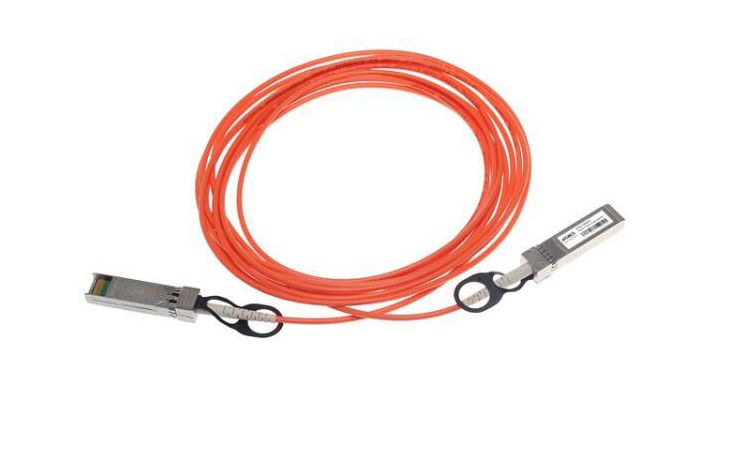
SFP+ (Enhanced Small Form-factor Pluggable) is a network interface module designed for high-speed data transmission. Commonly used in data centers and enterprise networks, SFP+ supports speeds of up to 10 Gbps, making it ideal for tasks requiring substantial bandwidth. Traditionally, SFP+ modules are associated with fiber optic connections, but they can also support copper connections through SFP+ Direct Attach Cables (DACs).
Ethernet, on the other hand, is a ubiquitous networking technology used for local area networks (LANs). While standard Ethernet speeds range from 10 Mbps to 1 Gbps, advancements like 10 Gigabit Ethernet (10GbE) have emerged to meet growing data demands. Ethernet’s versatility and reliability have made it a staple in both home and professional network environments.
Table of Contents
ToggleBridging the Gap: SFP+ to Ethernet
The prospect of plugging Ethernet directly into an SFP+ port hinges on the type of SFP+ module in use. Standard SFP+ modules are designed for fiber optic cables, which are not compatible with traditional Ethernet cables. However, there are specialized SFP+ modules, known as SFP+ RJ-45 transceivers, that allow Ethernet cables to be connected directly to SFP+ ports.
SFP+ RJ-45 transceivers convert the electrical signals from Ethernet into optical signals suitable for transmission over SFP+ ports. These transceivers support 10GbE connections over Cat6a or Cat7 cables, effectively bridging the gap between Ethernet and SFP+ interfaces. This capability is particularly beneficial for upgrading existing Ethernet networks to 10GbE without extensive infrastructure changes.
Benefits of Using SFP+ for Ethernet
Enhanced Performance: Utilizing SFP+ for Ethernet connections can significantly boost network performance. The 10GbE capability ensures high-speed data transfer, reducing latency and improving overall network efficiency.
Scalability: SFP+ ports provide a scalable solution for network expansion. As data demands grow, transitioning from standard Ethernet to SFP+ with RJ-45 transceivers allows for seamless upgrades without overhauling the entire network setup.
Versatility: The ability to use both fiber optic and copper connections with SFP+ ports offers flexibility in network design. This versatility is particularly advantageous in diverse network environments where different types of connections are required.
Practical Considerations
While the integration of Ethernet into SFP+ ports offers numerous benefits, there are practical considerations to keep in mind:
- Compatibility: Ensure that the SFP+ transceivers and cables used are compatible with your network devices. Not all transceivers are universally compatible, so checking manufacturer specifications is crucial.
- Cable Quality: For optimal performance, use high-quality Cat6a or Cat7 cables. Inferior cables may not support 10GbE speeds, leading to subpar network performance.
- Heat Dissipation: SFP+ modules can generate heat during operation, especially in high-speed networks. Adequate cooling and ventilation are necessary to maintain stable performance and prevent overheating.
- In the first part of our exploration, we’ve covered the basics of SFP+ and Ethernet, the concept of SFP+ RJ-45 transceivers, and the benefits and considerations of integrating Ethernet into SFP+ ports. The next part will delve deeper into the practical applications, potential challenges, and future trends in networking technology.
Practical Applications of SFP+ for Ethernet Integration
The integration of Ethernet into SFP+ ports is a game-changer for various practical applications across different sectors. From small businesses to large-scale enterprises, the ability to leverage 10GbE over existing Ethernet infrastructure offers significant advantages.
- Data Centers: In data centers, where high-speed data transfer is paramount, SFP+ to Ethernet integration enables seamless connectivity between servers, storage devices, and network switches. This setup ensures efficient data flow, minimizing bottlenecks and enhancing overall performance.
- Enterprise Networks: For large enterprises with extensive network requirements, upgrading to 10GbE using SFP+ RJ-45 transceivers simplifies the transition. It allows for the continued use of existing Ethernet cables while boosting network speed and capacity.
- Telecommunications: Telecommunications companies benefit from the flexibility of SFP+ ports, which support both fiber optic and copper connections. This versatility is crucial in environments where different types of network infrastructure coexist.
- Campus Networks: Educational institutions and large campuses often have diverse networking needs. SFP+ to Ethernet integration facilitates high-speed connectivity across different buildings and departments, ensuring reliable access to digital resources.
Potential Challenges and Solutions
While the integration of Ethernet into SFP+ ports offers numerous benefits, several challenges may arise. Understanding these challenges and their solutions is key to successful implementation.
- Signal Interference: High-speed data transfer over copper cables can lead to signal interference and crosstalk. Using shielded cables and ensuring proper cable management can mitigate these issues.
- Distance Limitations: Ethernet over copper cables has distance limitations compared to fiber optics. For long-distance connections, consider using fiber optic SFP+ modules or repeaters to extend the reach.
- Cost: While SFP+ RJ-45 transceivers provide a cost-effective upgrade path, the initial investment in high-quality transceivers and cables can be significant. However, the long-term benefits of enhanced network performance and scalability often justify the expense.
Future Trends in Networking Technology
The landscape of networking technology is continuously evolving, with new advancements on the horizon that promise to further enhance connectivity solutions.
Increased Adoption of 25GbE and 100GbE: As data demands continue to rise, the adoption of higher-speed Ethernet standards like 25GbE and 100GbE is becoming more prevalent. These standards offer even greater bandwidth and performance, catering to the needs of data-intensive applications.
Advancements in Fiber Optics: While copper-based Ethernet remains relevant, advancements in fiber optic technology are pushing the boundaries of data transfer speeds and distances. Innovations such as silicon photonics are set to revolutionize the industry, offering unprecedented speed and efficiency.
Integration with IoT: The Internet of Things (IoT) is driving the need for robust and scalable network solutions. SFP+ ports, with their versatility and high-speed capabilities, are well-suited to support the vast array of connected devices in IoT ecosystems.
Artificial Intelligence and Machine Learning: The integration of AI and machine learning in network management is enhancing efficiency and reliability. Intelligent network solutions can optimize data flow, predict and mitigate potential issues, and ensure seamless connectivity.
Conclusion
The question, “Can I plug Ethernet into SFP+?” opens the door to a world of possibilities in modern networking. By leveraging SFP+ RJ-45 transceivers, it’s possible to bridge the gap between traditional Ethernet and high-speed SFP+ interfaces, unlocking enhanced performance, scalability, and versatility.
In our exploration, we’ve covered the fundamentals of SFP+ and Ethernet, the benefits and practical considerations of their integration, and the potential challenges and solutions. As networking technology continues to evolve, staying informed about these advancements is crucial for maintaining a competitive edge in the digital age.
Whether you’re a small business looking to upgrade your network or a large enterprise aiming to enhance data center performance, understanding the intricacies of SFP+ and Ethernet integration is key to achieving your connectivity goals. Embrace the future of networking and unlock the full potential of your digital infrastructure with SFP+ solutions.