Discover the flexibility of 25G DACs and their ability to operate at 10G speeds. Uncover the technical details, advantages, and practical applications of utilizing high-speed cables in diverse network environments.
25G DAC, 10G speed, network cables, data transmission, network flexibility, high-speed internet, data center, network infrastructure, Ethernet, connectivity solutions
In the ever-evolving landscape of network technology, the demand for faster, more efficient data transmission continues to rise. Among the myriad of components that make up modern network infrastructures, Direct Attach Copper (DAC) cables play a pivotal role. DAC cables, renowned for their high-speed data transfer capabilities and cost-effectiveness, have become a staple in data centers and enterprise networks. But as network requirements vary, a common question arises: Can a 25G DAC run at 10G?
Understanding the Basics:
To delve into this query, it’s essential to first understand what a DAC cable is. A DAC cable is a type of direct connection cable that uses copper wiring to transmit data between network devices. Unlike optical fibers, which use light to carry data, DAC cables rely on electrical signals. This makes them a preferred choice for short-range connections within data centers, thanks to their low latency and reduced power consumption.
Table of Contents
ToggleThe 25G DAC:
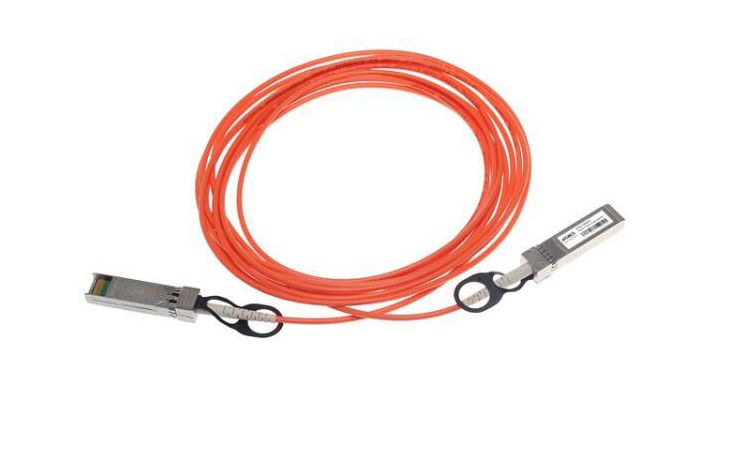
A 25G DAC cable is specifically designed for 25 Gigabit Ethernet (GbE) speeds, providing a robust solution for high-bandwidth applications. These cables are built to handle the increased data rates and are typically used in high-performance computing environments where large volumes of data are transferred quickly and efficiently.
Running at Lower Speeds:
One of the remarkable features of DAC cables is their ability to operate at multiple speeds. While a 25G DAC is optimized for 25G speeds, it is also backward compatible with lower speeds, including 10G. This backward compatibility is a significant advantage for network administrators looking to future-proof their infrastructure while maintaining the flexibility to operate at various speeds.
Technical Compatibility:
The technical compatibility of a 25G DAC running at 10G speeds lies in its design and the underlying Ethernet standards. Ethernet standards, governed by the Institute of Electrical and Electronics Engineers (IEEE), ensure that different speeds of Ethernet can interoperate. For example, the IEEE 802.3by standard governs 25G Ethernet, while the IEEE 802.3ae standard covers 10G Ethernet. The backward compatibility feature ensures that devices and cables designed for higher speeds can also function at lower speeds without significant issues.
Practical Applications:
In practical terms, using a 25G DAC at 10G speeds can be advantageous in various scenarios. For instance, a data center might initially deploy 25G DAC cables for future scalability but currently operate at 10G speeds due to existing hardware limitations. This approach allows for a seamless transition to higher speeds when the infrastructure is upgraded, without the need for replacing the existing cabling.
Moreover, in mixed-speed environments where different segments of the network operate at different speeds, the versatility of a 25G DAC running at 10G ensures consistent connectivity and performance. This flexibility can lead to cost savings and reduced complexity in network management.
Conclusion of
The capability of a 25G DAC to run at 10G speeds highlights the adaptability and forward-thinking design of modern network cables. This versatility not only supports current network demands but also paves the way for future advancements. In the next part, we will explore the specific technical considerations, real-world benefits, and potential challenges associated with using 25G DAC cables at 10G speeds.
Technical Considerations:
While the backward compatibility of 25G DACs with 10G speeds offers significant benefits, there are technical considerations to bear in mind. One key aspect is the physical layer design of the DAC cable. 25G DACs are engineered to support the higher frequency signals required for 25G transmission. When these cables operate at 10G, the signal integrity and electrical characteristics must still meet the requirements of the 10G Ethernet standard. Fortunately, the design robustness of 25G DACs typically ensures they perform well even at reduced speeds.
Configuration and Compatibility:
To achieve optimal performance when using a 25G DAC at 10G speeds, proper configuration of network devices is crucial. Network switches, routers, and network interface cards (NICs) must support the intended operating speed. Many modern network devices offer auto-negotiation features, which automatically adjust the speed to match the capabilities of connected devices and cables. This feature simplifies the process of integrating 25G DACs into a 10G network environment.
Economic and Operational Benefits:
The economic benefits of using 25G DACs at 10G speeds are multifaceted. By investing in 25G DACs, organizations future-proof their network infrastructure, reducing the need for frequent upgrades. This investment is particularly advantageous for data centers and enterprises anticipating growth and higher data demands. Furthermore, deploying a single type of cable across different parts of the network streamlines inventory management and simplifies procurement processes.
Operationally, the flexibility of 25G DACs enhances network reliability and performance. In environments where network traffic fluctuates, the ability to seamlessly switch between 10G and 25G speeds ensures that the network can adapt to varying workloads without compromising performance. This adaptability is critical in scenarios such as cloud computing, where data transfer rates can vary significantly based on user demand.
Real-World Implementation:
Real-world examples highlight the practical benefits of using 25G DACs at 10G speeds. In a large-scale data center, for instance, the deployment of 25G DACs allows for a phased approach to upgrading the network infrastructure. Initially, the data center might operate at 10G speeds to accommodate existing hardware. As the demand for higher bandwidth grows, the transition to 25G speeds can be executed smoothly without the need for extensive cabling changes.
Similarly, in enterprise networks, departments with varying bandwidth requirements can be served using the same 25G DAC infrastructure. Departments with lower bandwidth needs can operate at 10G speeds, while those requiring higher performance can utilize the full capacity of 25G. This unified approach simplifies network management and enhances overall efficiency.
Potential Challenges:
Despite the numerous advantages, there are potential challenges to consider. Ensuring compatibility across all network components is paramount. Older network devices that do not support auto-negotiation or have limited speed capabilities might pose integration challenges. Additionally, careful planning is required to avoid signal degradation over longer distances, especially when using DAC cables for extended runs.
Future Prospects:
Looking ahead, the versatility of DAC cables is expected to play a crucial role in the evolution of network technology. As data demands continue to grow, the ability to adapt to different speeds and seamlessly transition between them will be invaluable. The development of new Ethernet standards and the ongoing advancement of network hardware will further enhance the capabilities of DAC cables, making them a cornerstone of modern network infrastructure.
Conclusion:
In conclusion, the ability of a 25G DAC to run at 10G speeds underscores the flexibility and forward compatibility inherent in modern network cabling solutions. This adaptability provides significant economic and operational benefits, enabling organizations to future-proof their networks while meeting current demands. By understanding the technical considerations and leveraging the versatility of 25G DACs, network administrators can optimize their infrastructure for both present and future needs.
The exploration of this topic reveals the intricate balance between technology, efficiency, and planning in network design. As we move towards increasingly connected and data-driven environments, the role of adaptable, high-speed cabling solutions like the 25G DAC will undoubtedly continue to grow in importance.